How NASA Missions Transformed Space Exploration
Introduction
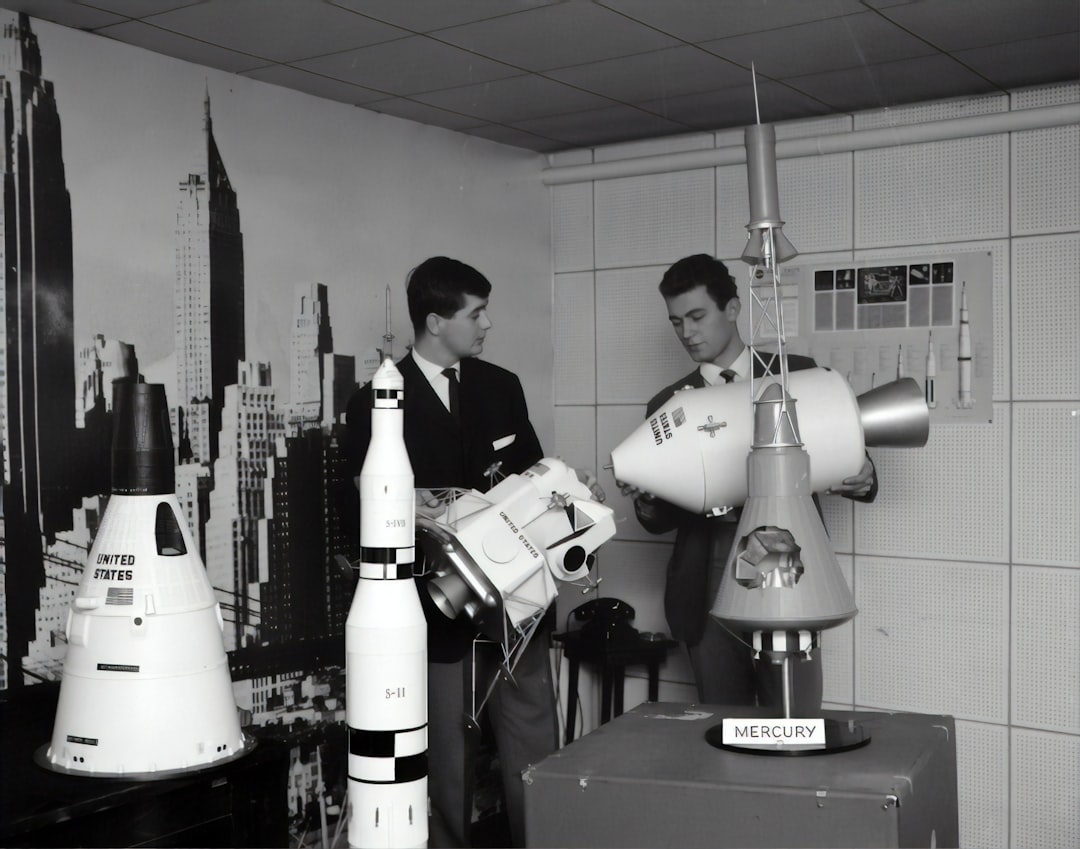
NASA, the United States' space agency, has been at the forefront of space exploration since its establishment in 1958. Over the decades, NASA missions have not only expanded our knowledge of the universe but have also driven technological advancements and inspired generations. This article delves into some of the most transformative NASA missions that have shaped the course of space exploration.
Key Points
- Apollo Program: The Apollo missions, particularly Apollo 11, marked humanity's first steps on the Moon, showcasing the potential for human space exploration.
- Voyager Probes: Launched in 1977, these probes provided unprecedented data on the outer planets and continue to send information from interstellar space.
- Hubble Space Telescope: Since its launch in 1990, Hubble has revolutionized our understanding of the universe with its detailed images and data.
- Mars Rovers: Rovers like Spirit, Opportunity, and Curiosity have explored the Martian surface, providing insights into the planet's history and potential for life.
- International Space Station (ISS): A collaborative effort, the ISS serves as a microgravity laboratory and a symbol of international cooperation in space.
Step-by-Step
- Apollo Program (1961-1972):
- Initiated by President Kennedy's 1961 speech, the Apollo program aimed to land humans on the Moon and return them safely to Earth.
- Apollo 11, in 1969, achieved this goal, with Neil Armstrong and Buzz Aldrin becoming the first humans to walk on the lunar surface.
- The program's success demonstrated the feasibility of human space travel and set the stage for future exploration.
- Voyager Probes (1977-Present):
- Voyager 1 and Voyager 2 were launched to study the outer planets and are now in interstellar space.
- They provided the first detailed images of Jupiter, Saturn, Uranus, and Neptune, vastly improving our understanding of these distant worlds.
- The probes carry the Golden Record, a time capsule intended to communicate the story of our world to extraterrestrials.
- Hubble Space Telescope (1990-Present):
- Launched into low Earth orbit, Hubble has provided high-resolution images of distant galaxies, nebulae, and other astronomical phenomena.
- Its observations have led to breakthroughs in astrophysics, including the determination of the rate of expansion of the universe.
- Mars Rovers (2004-Present):
- Spirit and Opportunity landed on Mars in 2004, with Opportunity operating until 2018, far exceeding its expected lifespan.
- Curiosity, launched in 2011, continues to explore Mars, analyzing soil and rock samples to assess past habitability.
- These missions have provided critical data on Mars' geology and climate.
- International Space Station (1998-Present):
- The ISS is a joint project involving NASA, Roscosmos, ESA, JAXA, and CSA.
- It serves as a platform for scientific research in microgravity and a testbed for future space exploration technologies.
- The ISS has hosted astronauts from 19 different countries, fostering international collaboration.
Common Mistakes & Fixes
- Overlooking Unmanned Missions: While manned missions like Apollo are well-known, unmanned missions such as Voyager and Mars rovers have been equally transformative. Recognize the value of both.
- Underestimating Technological Impact: NASA missions have led to numerous technological advancements, including improvements in materials science and telecommunications. Acknowledge these contributions.
- Ignoring International Collaboration: The ISS exemplifies successful international cooperation in space. Highlight the importance of global partnerships in future missions.
US Examples & Data
- Apollo Program: Cost approximately $25.4 billion (1960s dollars), equivalent to over $150 billion today, reflecting the significant investment in space exploration.
- Voyager Probes: Voyager 1 is the farthest human-made object from Earth, traveling over 14 billion miles.
- Hubble Space Telescope: Has made over 1.5 million observations, contributing to more than 18,000 scientific papers.
- Mars Rovers: Opportunity traveled over 28 miles on Mars, providing invaluable data on the planet's surface.
- International Space Station: Over 3,000 research investigations have been conducted on the ISS, involving more than 4,200 researchers globally.
Why It Matters
NASA's missions have fundamentally altered our understanding of the universe and our place within it. They have inspired technological innovations that permeate everyday life, from satellite communications to medical imaging. Furthermore, these missions underscore the importance of scientific inquiry and international cooperation in addressing global challenges. As we look to the future, NASA's continued exploration will be crucial in tackling questions about life beyond Earth and the sustainability of human presence in space.
Sources
- NASA - Apollo Program
- NASA - Voyager Mission
- NASA - Hubble Space Telescope
- NASA - Mars Exploration Rovers
- NASA - International Space Station
Related Topics
- The Future of Space Exploration: Artemis and Beyond
- The Role of Private Companies in Space Travel
- The Search for Extraterrestrial Life: Current Efforts and Challenges
- The Impact of Space Exploration on Technology and Society
Up Next
