Tech Shifts That Transformed U.S. Workplaces
Introduction
The evolution of technology has profoundly reshaped the American workplace, altering how tasks are performed, how businesses operate, and how employees interact. From the Industrial Revolution to the digital age, each technological milestone has brought significant changes to the nature of work in the United States.
Key Points
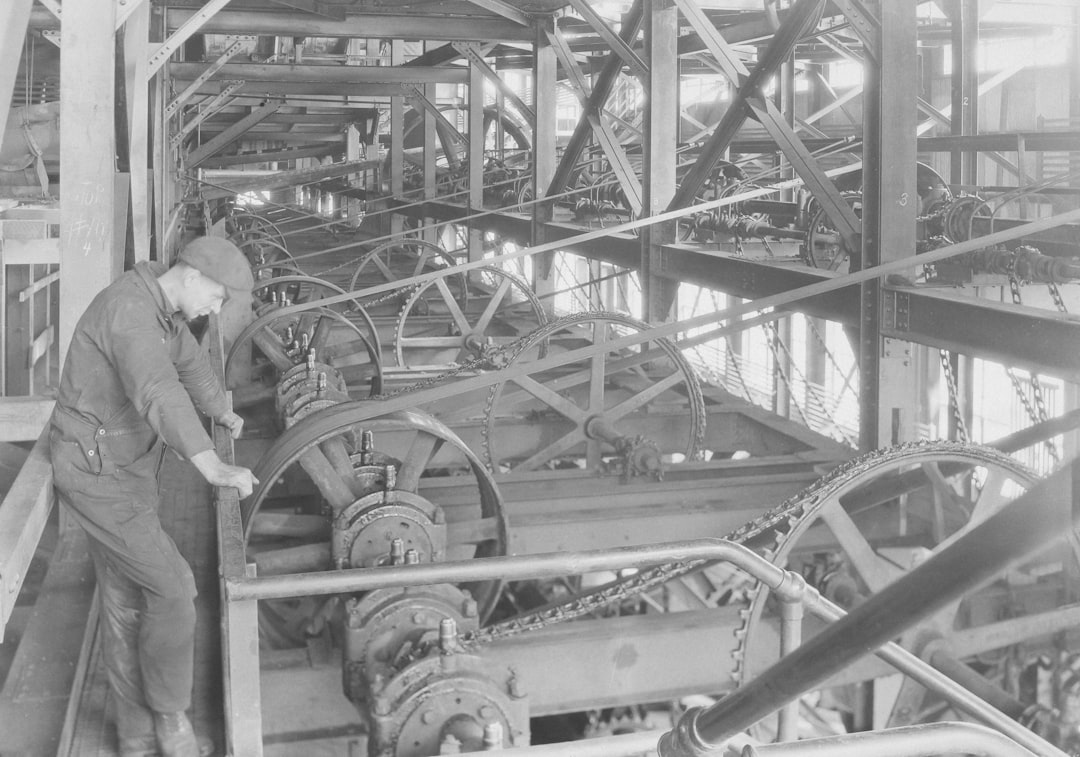
- The Industrial Revolution: The introduction of machinery in the late 18th and early 19th centuries marked the beginning of mass production. Factories replaced artisanal workshops, leading to urbanization and the rise of a factory-based economy.
- The Telephone: Invented by Alexander Graham Bell in 1876, the telephone revolutionized communication, making it possible to conduct business over long distances and paving the way for modern telecommunications.
- The Computer Revolution: The development of computers in the mid-20th century transformed data processing and management. The introduction of personal computers in the 1980s further democratized access to computing power.
- The Internet: The commercialization of the internet in the 1990s connected the world in unprecedented ways, enabling remote work, e-commerce, and global communication.
- Mobile Technology: The proliferation of smartphones and mobile devices in the 21st century has made it possible to work from virtually anywhere, increasing flexibility and connectivity.
- Artificial Intelligence and Automation: Recent advancements in AI and automation are reshaping industries by enhancing productivity and efficiency, though they also raise concerns about job displacement.
Trends Shaping the Topic
- Remote Work: The COVID-19 pandemic accelerated the adoption of remote work technologies, leading to a more flexible work environment that many companies continue to embrace.
- Gig Economy: Platforms like Uber and TaskRabbit have popularized gig work, offering flexible job opportunities but also raising questions about job security and benefits.
- Digital Collaboration Tools: Tools such as Slack, Zoom, and Microsoft Teams have become essential for facilitating communication and collaboration in a distributed workforce.
- Cybersecurity: As reliance on digital tools increases, so does the need for robust cybersecurity measures to protect sensitive information.
Implications for US Readers
For American workers, these technological advancements mean adapting to new tools and workflows. Continuous learning and skill development are crucial to remain competitive in a rapidly changing job market. Employers must also navigate the challenges of managing a digital workforce, ensuring productivity while maintaining employee well-being.
US Examples & Data
- Remote Work Statistics: According to a 2021 survey by the Pew Research Center, 71% of workers who could work from home were doing so all or most of the time, up from 20% before the pandemic.
- AI and Automation Impact: A 2020 report by the Brookings Institution highlighted that 25% of US jobs are at high risk of automation, particularly in sectors like transportation and manufacturing.
- Internet Usage: Data from the US Census Bureau indicates that as of 2021, 93% of American households had access to the internet, underscoring its importance in daily life and work.
Why It Matters
Understanding these technological milestones and their impact on work is crucial for both employees and employers. It helps individuals prepare for future changes and equips businesses to leverage technology for competitive advantage. Moreover, policymakers can use this knowledge to create supportive frameworks that address the challenges and opportunities presented by technological advancements.
Sources
- Pew Research Center on Remote Work
- Brookings Institution on Automation
- US Census Bureau on Internet Usage
- National Bureau of Economic Research on the Industrial Revolution
- Federal Communications Commission on Telecommunications
Related Topics
- The Future of Work: How Emerging Technologies Will Shape Employment
- The Role of Education in Preparing for Technological Change
- Cybersecurity in the Age of Digital Transformation
Up Next
