# Research Ties Muscle Mass to Brain Aging Rates
What happened
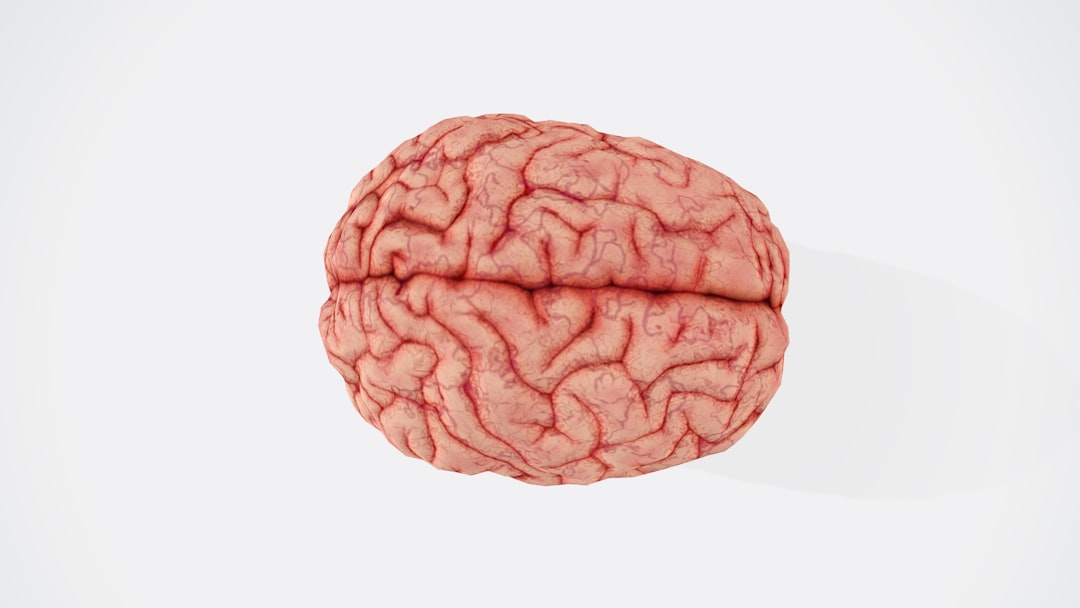
A study reported by the Financial Times suggests that individuals with more muscle mass may experience slower brain aging. The research also highlights a potential downside of losing muscle mass, which can occur with the use of GLP-1 anti-obesity drugs.
Key facts
- The study indicates a correlation between higher muscle mass and slower brain aging.
- GLP-1 anti-obesity drugs are associated with muscle mass loss.
- The findings suggest potential drawbacks in the use of these drugs concerning brain health.
- The research was reported by the Financial Times.
Background & context
Muscle mass is often associated with various health benefits, including improved metabolism, enhanced physical strength, and better overall health outcomes. Maintaining muscle mass is crucial as it plays a role in metabolic health, supports bone density, and aids in mobility, which are particularly important as individuals age. In recent years, GLP-1 receptor agonists have gained popularity as effective anti-obesity medications. These drugs mimic the hormone GLP-1, which is involved in regulating appetite and insulin levels, making them a valuable tool in managing obesity, a condition affecting millions globally. However, the potential side effect of muscle mass reduction raises concerns about the long-term implications for physical and cognitive health. Muscle loss can lead to sarcopenia, a condition characterized by loss of muscle strength and function, which is linked to increased frailty and decreased quality of life.
Why it matters (for US readers)
For US readers, this study underscores the importance of considering the broader health impacts of weight loss medications. The United States faces a significant obesity epidemic, with nearly 42% of adults classified as obese. This has led to a growing reliance on pharmaceutical solutions for weight management. Understanding the potential trade-offs, such as the impact on muscle mass and brain health, is crucial for making informed decisions about treatment options. The study suggests that while GLP-1 drugs may aid in weight loss, they could inadvertently affect cognitive health by reducing muscle mass, necessitating a balanced approach to obesity treatment that considers both physical and mental well-being.
Stakeholders & viewpoints
- Healthcare professionals: May need to weigh the benefits of GLP-1 drugs against potential long-term impacts on muscle and brain health. They play a critical role in advising patients on the risks and benefits of these medications, potentially advocating for integrated treatment plans that include exercise and nutrition to preserve muscle mass.
- Patients: Those using or considering GLP-1 drugs might need to discuss muscle mass implications with their healthcare providers. Patients should be informed about the potential cognitive implications of muscle loss and consider lifestyle changes that support muscle maintenance.
- Pharmaceutical companies: Could face pressure to develop treatments that mitigate muscle loss while effectively managing obesity. This may involve investing in research to refine existing drugs or create new formulations that preserve muscle mass, ensuring comprehensive health benefits for users.
Timeline & what to watch next
- Current: The study's findings are reported by the Financial Times, bringing attention to the potential cognitive implications of muscle mass loss associated with GLP-1 drugs.
- Future research: Further studies may explore the long-term effects of GLP-1 drugs on muscle and brain health. Researchers might investigate alternative therapies or adjunct treatments that could counteract muscle loss while maintaining the efficacy of weight management.
- Healthcare guidance: Potential updates to medical guidelines regarding the use of GLP-1 drugs. As new evidence emerges, healthcare providers may revise recommendations to incorporate strategies for muscle preservation, such as resistance training or dietary adjustments, alongside pharmacological interventions.
Sources
Up Next
