Ozone Layer Shows Improvement, Fifth Smallest Hole
What happened
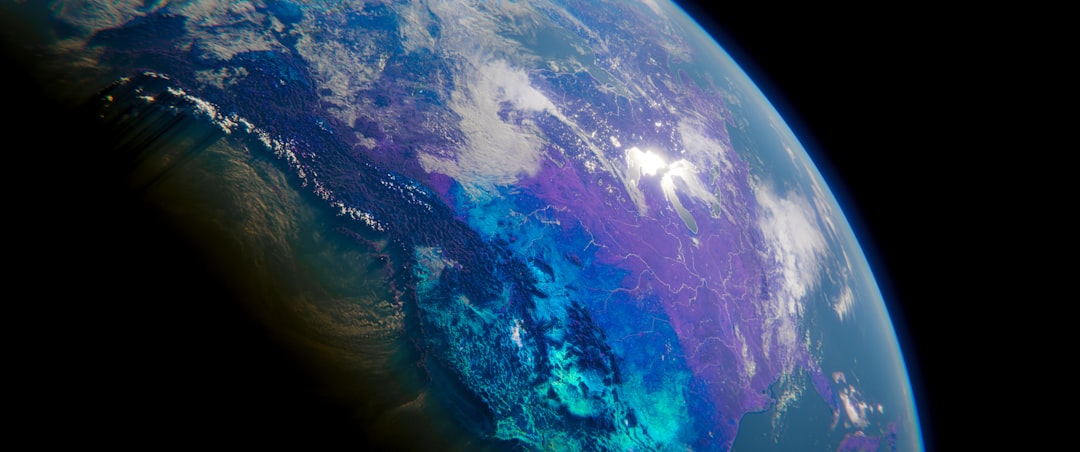
Recent research has revealed that the ozone hole over Antarctica is the fifth smallest it has been in more than 30 years. This finding highlights a significant environmental development concerning the Earth's protective ozone layer.
Key facts
- The ozone hole's current size is the fifth smallest recorded in over three decades.
- This information was reported by ABC News.
- The research was published on November 24, 2025.
Background & context
The ozone layer, situated in the Earth's stratosphere, is crucial for absorbing the majority of the sun's harmful ultraviolet (UV) radiation. This protective layer shields all forms of life on Earth from potential damage, including increased risks of skin cancer, cataracts, and other health issues. In the late 20th century, scientists discovered that human-made chemicals, particularly chlorofluorocarbons (CFCs), were depleting this layer, leading to the formation of the so-called "ozone hole" over Antarctica. The international community responded with the Montreal Protocol in 1987, a landmark agreement aimed at phasing out the production and consumption of ozone-depleting substances. This protocol is often cited as one of the most successful environmental agreements, with widespread global participation and compliance. Over the years, the reduction in the use of CFCs and other harmful chemicals has contributed to the gradual recovery of the ozone layer, as evidenced by the current research findings.
Why it matters (for US readers)
For US readers, the condition of the ozone layer is significant for several reasons. Firstly, a healthier ozone layer means reduced UV radiation reaching the Earth's surface, which can lower the incidence of skin cancers and cataracts. This has direct public health benefits, potentially reducing healthcare costs and improving quality of life. Moreover, the state of the ozone layer has broader implications for global climate patterns. The interaction between ozone depletion and climate change is complex, with potential impacts on weather patterns and atmospheric circulation. A recovering ozone layer can contribute to stabilizing these patterns, which is crucial for agriculture, water resources, and disaster preparedness. The reduction in the size of the ozone hole is an encouraging sign of environmental recovery and underscores the effectiveness of international environmental agreements. It serves as a reminder of the positive outcomes that can be achieved through global cooperation and policy implementation.
Stakeholders & viewpoints
- Environmental Scientists: Likely to view this development as a positive indication of the success of global efforts to curb ozone depletion. They may advocate for continued monitoring and research to ensure the trend persists.
- Policy Makers: May see this as a validation of environmental policies and international cooperation. This success could encourage further policy initiatives aimed at addressing other environmental challenges, such as climate change.
- General Public: Could be reassured by the progress in environmental protection and the potential reduction in health risks associated with UV exposure. Public awareness and support for environmental policies may increase as a result.
- Industry Stakeholders: Companies involved in manufacturing and chemicals may need to continue adapting to regulations that limit ozone-depleting substances. This could spur innovation in developing alternative, environmentally friendly products.
Timeline & what to watch next
- Ongoing Monitoring: Scientists will continue to monitor the ozone layer to assess long-term trends. This ongoing research is vital to understanding the full impact of past and current policies.
- Policy Developments: Potential updates or changes in international environmental agreements could be influenced by this research. Policymakers may use these findings to advocate for stronger commitments to environmental protection.
- Future Research: Further studies may explore the factors contributing to the reduction in the size of the ozone hole. Research could focus on the interactions between ozone recovery and climate change, as well as the development of new technologies to support environmental sustainability.
- Public Engagement: Increased public awareness and education about the importance of the ozone layer and environmental protection could lead to greater community involvement in sustainability initiatives.
Sources
Up Next
