SpaceX Deploys 28 Starlink Satellites from California
What happened
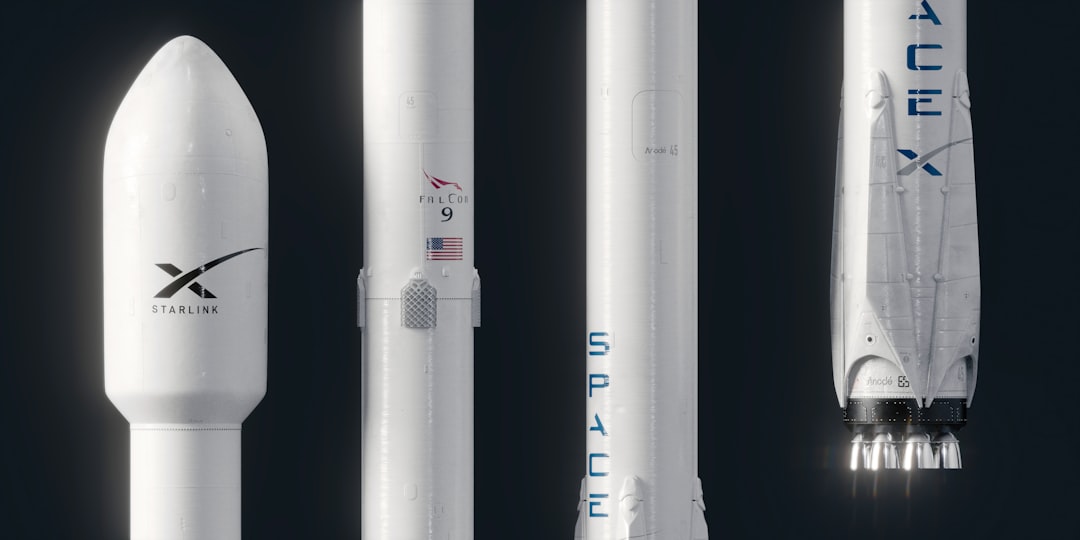
SpaceX conducted the maiden launch of its new Falcon 9 rocket, Booster 1100, from California. The launch took place at 3:48 a.m. EST on Sunday, November 23, 2025, and successfully deployed 28 Starlink satellites into orbit.
Key facts
- The launch occurred at 3:48 a.m. EST on November 23, 2025.
- This mission marked the maiden flight of SpaceX's new Falcon 9 Booster 1100.
- A total of 28 Starlink satellites were deployed during this mission.
- The launch was conducted from California.
- The information was reported by Space.com.
Background & context
SpaceX, founded by Elon Musk, has become a pivotal player in the aerospace industry, known for its ambitious goals and innovative technologies. The company's Starlink project is a significant venture aimed at creating a global broadband network through a constellation of satellites in low Earth orbit (LEO). This network is designed to provide high-speed internet access across the globe, with a particular focus on areas that are traditionally underserved by conventional internet service providers. The Falcon 9 rocket, a cornerstone of SpaceX's launch capabilities, is a reusable launch vehicle that has revolutionized the economics of space travel by reducing costs through reusability. Each successful launch and recovery of a Falcon 9 booster contributes to the sustainability and affordability of space missions. The Starlink constellation, once fully deployed, is expected to consist of thousands of satellites, forming a mesh network that can deliver internet services to virtually any location on Earth. This ambitious project not only aims to bridge the digital divide but also positions SpaceX as a major player in the global telecommunications market.
Why it matters
For US readers, the successful launch of additional Starlink satellites is significant as it continues to enhance the availability and reliability of internet services, particularly in rural and remote areas of the United States. Access to high-speed internet is increasingly seen as a fundamental utility, essential for education, healthcare, and economic development. The expansion of the Starlink network could help bridge the digital divide, providing more equitable access to high-speed internet. Furthermore, the successful maiden flight of a new rocket booster demonstrates SpaceX's ongoing innovation and capability in space transportation. This not only reinforces the company's leadership in the commercial space sector but also contributes to the broader goals of space exploration and technology development.
Stakeholders & viewpoints
- SpaceX: As the company behind the launch, SpaceX continues to solidify its position as a leader in commercial spaceflight and satellite internet services. The success of the Starlink project could significantly impact the company's financial performance and strategic direction.
- Consumers: Individuals in remote or underserved areas stand to benefit from improved internet access as the Starlink constellation grows. This could lead to enhanced educational opportunities, better access to telemedicine, and increased economic participation.
- Competitors: Other satellite internet providers and traditional internet service companies may view the expansion of Starlink as increased competition. This could drive innovation and improvements in service offerings across the industry.
- Regulators: Government agencies may monitor the growth of satellite constellations for regulatory compliance and space traffic management. The increasing number of satellites in orbit raises concerns about space debris and the need for effective space traffic management systems.
Timeline & what to watch next
- November 23, 2025: Successful launch of 28 Starlink satellites using Falcon 9 Booster 1100.
- Future launches: SpaceX is expected to continue launching additional satellites to expand the Starlink network. These launches will be crucial in achieving the project's goal of global internet coverage.
- Regulatory developments: Ongoing discussions around space traffic management and satellite regulations are critical as the number of satellites in orbit increases. Effective policies will be necessary to ensure the long-term sustainability of space activities.
- Consumer adoption: Watch for changes in internet service availability and adoption rates in rural areas. The impact of Starlink on local economies and communities will be an important area of study.
Sources
Up Next
