How US Wildlife Conservation Succeeds in 2025
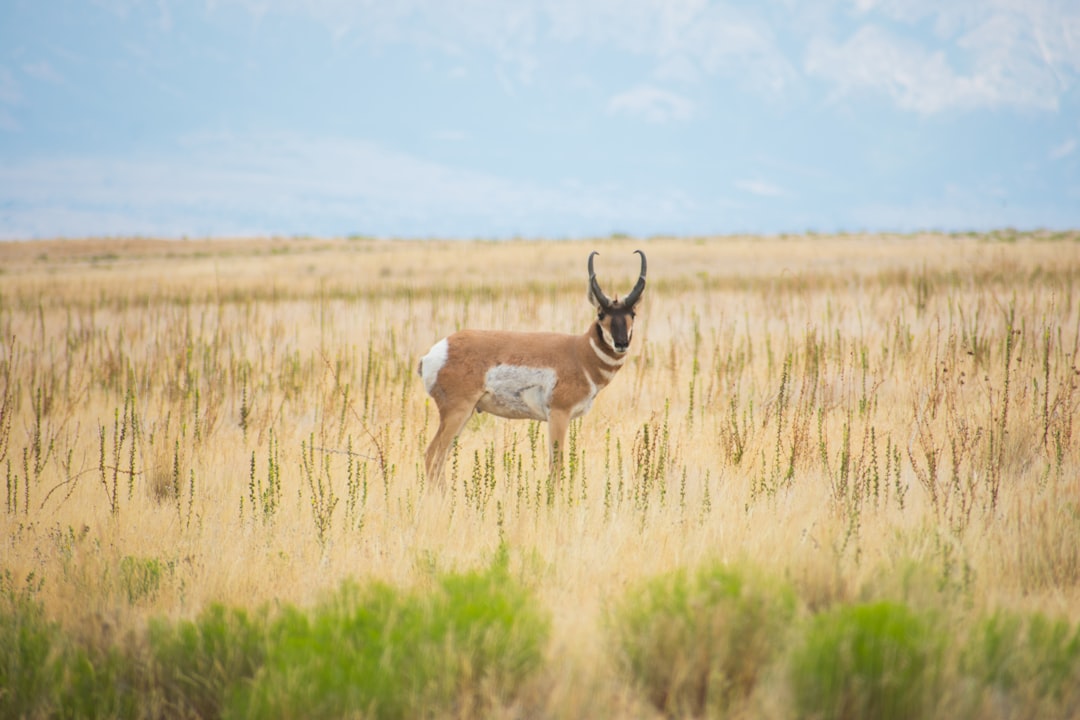
Introduction
Wildlife conservation in the United States has seen remarkable success stories that highlight the country's commitment to preserving its natural heritage. These efforts have not only helped restore endangered species but also contributed to the overall health of ecosystems. This article delves into the key elements that have driven these successes, the frameworks that support them, and why they matter for the future of biodiversity.
Key Points
- Legislative Frameworks: Laws like the Endangered Species Act (ESA) have been pivotal in protecting threatened species.
- Public and Private Partnerships: Collaboration between government agencies, non-profits, and private landowners has been crucial.
- Habitat Restoration: Efforts to restore natural habitats have been essential in providing safe environments for wildlife.
- Scientific Research: Ongoing research and monitoring have informed effective conservation strategies.
- Community Involvement: Engaging local communities has fostered a culture of conservation and stewardship.
Framework
The success of wildlife conservation in the US is largely attributed to robust legislative frameworks and strategic partnerships. The Endangered Species Act of 1973 is a cornerstone of these efforts, providing legal protection to species at risk of extinction. This law mandates the identification and protection of critical habitats, which are essential for the survival and recovery of endangered species. Additionally, the collaboration between federal and state agencies, non-profit organizations, and private landowners has been instrumental. These partnerships facilitate the pooling of resources and expertise, enabling more comprehensive and effective conservation efforts. Scientific research, often funded by government grants and private donations, plays a critical role in informing these strategies, ensuring they are based on the latest ecological data and trends.
Checklist
- Understand the role of the Endangered Species Act in conservation.
- Identify key partnerships between public and private sectors.
- Recognize the importance of habitat restoration projects.
- Support scientific research and monitoring initiatives.
- Engage with local communities to promote conservation efforts.
- Advocate for policies that protect biodiversity.
- Stay informed about the status of endangered species.
- Participate in or support local conservation projects.
- Promote awareness about the importance of wildlife conservation.
- Encourage sustainable practices that benefit ecosystems.
US Examples & Data
Several success stories illustrate the effectiveness of US wildlife conservation efforts: - Bald Eagle Recovery: Once on the brink of extinction, the bald eagle has made a significant comeback due to the banning of DDT and habitat protection under the ESA. The population has increased from 417 nesting pairs in 1963 to over 71,400 pairs today. - Gray Wolf Reintroduction: The reintroduction of gray wolves to Yellowstone National Park in the mid-1990s has restored ecological balance, demonstrating the importance of apex predators in ecosystems. - American Alligator: Listed as endangered in 1967, the American alligator has recovered to sustainable levels, thanks to habitat protection and regulated hunting, leading to its delisting in 1987. - California Condor: Intensive breeding programs and habitat protection have helped increase the population of California condors from just 27 individuals in 1987 to over 500 today. These examples underscore the importance of targeted conservation efforts and the positive outcomes they can achieve.
Why It Matters
Wildlife conservation is crucial for maintaining biodiversity, which is vital for ecosystem stability and resilience. Healthy ecosystems provide essential services such as clean air and water, pollination of crops, and climate regulation. Moreover, conserving wildlife supports cultural and recreational activities, contributing to the economy and enhancing quality of life. By preserving biodiversity, we also safeguard genetic resources that could be crucial for medical and scientific advancements. The success stories in US wildlife conservation demonstrate that with the right strategies and commitment, it is possible to reverse the decline of endangered species and restore ecological balance.
Sources
- U.S. Fish and Wildlife Service - Endangered Species Act
- National Park Service - Gray Wolf Recovery
- U.S. Fish and Wildlife Service - Bald Eagle Recovery
- National Oceanic and Atmospheric Administration - California Condor
- U.S. Geological Survey - American Alligator
Related Topics
- The Role of National Parks in Conservation
- Impact of Climate Change on US Wildlife
- Community-Based Conservation Initiatives
- Advances in Wildlife Monitoring Technology
- The Economics of Biodiversity Conservation
Up Next
