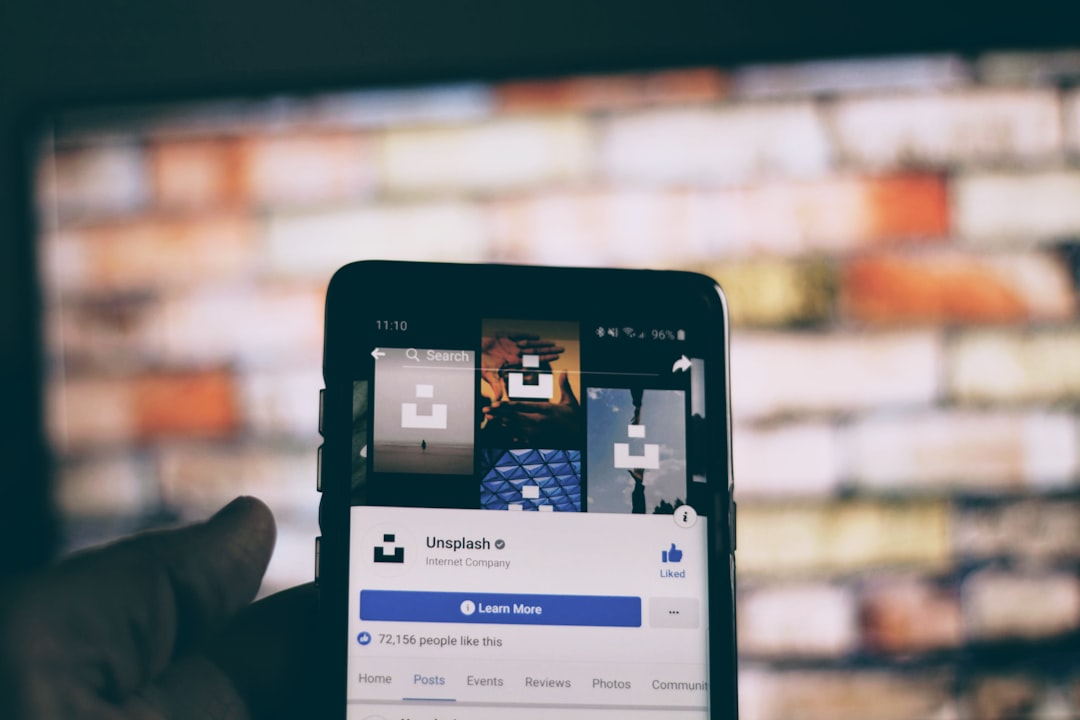
How Social Media Shapes Today's Communication

Introduction
Social media has become an integral part of daily life for millions of people worldwide. It has transformed how individuals interact, share information, and perceive the world around them. This article delves into the ways social media shapes modern communication, examining its impact on personal interactions, business practices, and cultural trends.
Key Points
- Instant Connectivity: Social media platforms enable real-time communication across the globe, allowing people to connect instantly regardless of geographical barriers.
- Information Dissemination: News and information spread rapidly through social media, often faster than traditional media outlets.
- Cultural Exchange: Social media facilitates the sharing of cultural practices and ideas, promoting a more interconnected global society.
- Influence on Language: The use of emojis, acronyms, and internet slang has evolved language, particularly among younger generations.
- Privacy Concerns: The widespread sharing of personal information raises significant privacy issues and concerns about data security.
- Echo Chambers: Social media can create echo chambers, where users are exposed primarily to information that reinforces their existing beliefs.
Framework
To understand the impact of social media on communication, it is essential to consider the following framework: - Platforms: Identify the major social media platforms (e.g., Facebook, Twitter, Instagram, TikTok) and their primary functions. - User Demographics: Analyze the demographics of social media users, including age, gender, and geographic distribution. - Communication Styles: Examine how communication styles differ across platforms and user groups. - Content Types: Explore the types of content shared on social media, such as text, images, videos, and live streams. - Engagement Metrics: Consider metrics like likes, shares, and comments to understand user engagement and influence.
Checklist
- Identify the social media platforms you use most frequently.
- Evaluate how much time you spend on social media daily.
- Consider the types of content you engage with most often.
- Reflect on how social media influences your opinions and beliefs.
- Assess the privacy settings on your social media accounts.
- Be aware of the potential for misinformation on social media.
- Explore diverse viewpoints to avoid echo chambers.
- Use social media to connect with people from different cultures.
- Stay informed about changes in social media policies and features.
- Balance online interactions with face-to-face communication.
US Examples & Data
- Pew Research Center reports that as of 2021, about 72% of American adults use at least one social media site, with Facebook being the most popular platform.
- Statista data shows that in 2023, TikTok surpassed Instagram in popularity among US teenagers, highlighting a shift in platform preference among younger users.
- The American Press Institute found that 62% of US adults get news from social media, indicating its significant role in information dissemination.
- Nielsen reports that Americans spend an average of 2 hours and 31 minutes per day on social media, underscoring its pervasive presence in daily life.
Why It Matters
Understanding the influence of social media on communication is crucial as it affects various aspects of life, from personal relationships to global events. Social media's role in shaping public opinion, spreading information, and fostering cultural exchange cannot be overstated. However, it also presents challenges such as privacy concerns, misinformation, and the potential for increased polarization. By recognizing these impacts, individuals and organizations can navigate the digital landscape more effectively and responsibly.
Sources
Related Topics
- The Role of Social Media in Political Campaigns
- The Impact of Social Media on Mental Health
- Strategies for Effective Social Media Marketing
- Privacy and Data Security in the Digital Age
Up Next