How NASA Missions Advanced Space Exploration
Introduction
NASA, the National Aeronautics and Space Administration, has been at the forefront of space exploration since its establishment in 1958. Over the decades, NASA's missions have not only expanded our knowledge of the cosmos but also driven technological advancements and inspired generations. This article delves into some of the most significant NASA missions that have fundamentally altered the landscape of space exploration.
Key Points
- Apollo Program: Perhaps the most iconic of NASA's missions, the Apollo program culminated in the first human landing on the Moon in 1969. Apollo 11's success demonstrated the feasibility of human space travel and marked a significant victory in the space race.
- Hubble Space Telescope: Launched in 1990, the Hubble Space Telescope has provided unprecedented views of the universe, leading to numerous discoveries, including the rate of expansion of the universe and the existence of dark energy.
- Mars Rover Missions: Beginning with Sojourner in 1997, NASA's Mars rovers have explored the Martian surface, providing insights into the planet's geology and climate, and searching for signs of past life.
- Voyager Program: Launched in 1977, the Voyager spacecraft have traveled beyond our solar system, providing valuable data about the outer planets and the heliosphere.
- International Space Station (ISS): A collaborative effort with multiple countries, the ISS serves as a microgravity laboratory and a platform for international cooperation in space research.
Trends Shaping the Topic
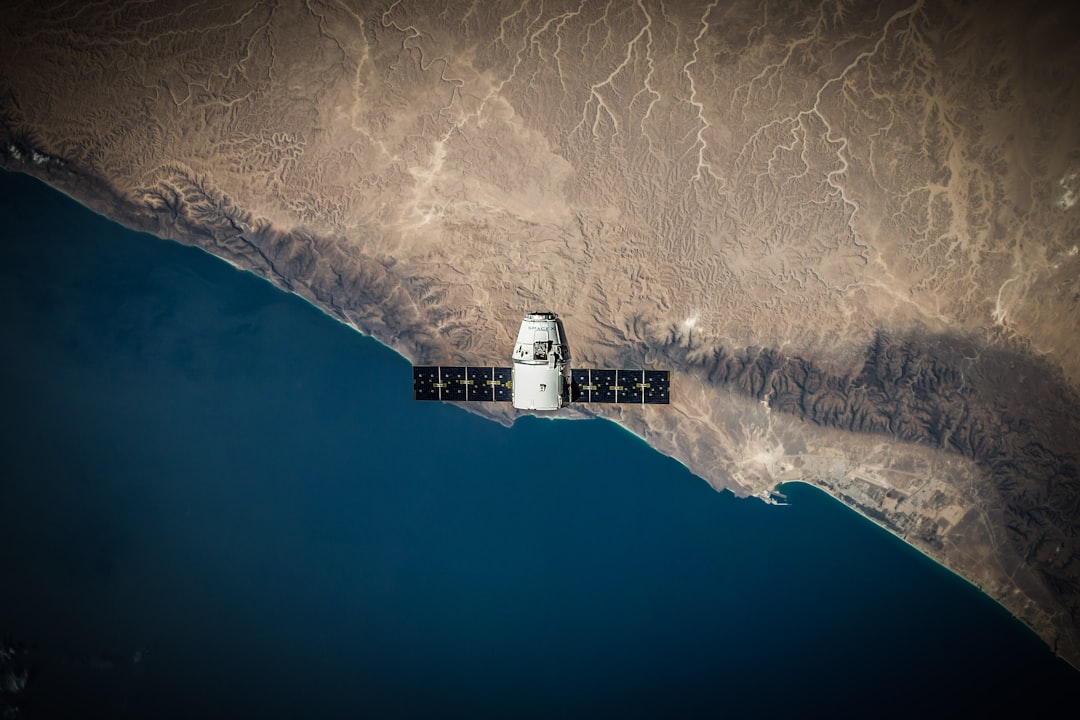
Several trends are shaping the future of NASA missions and space exploration: - Increased International Collaboration: The ISS exemplifies the benefits of international partnerships in space exploration, a trend likely to continue with future missions to the Moon and Mars. - Commercial Partnerships: NASA's collaboration with private companies like SpaceX and Boeing is transforming how missions are conducted, reducing costs and increasing innovation. - Focus on Sustainability: Future missions are increasingly focused on sustainability, with NASA exploring technologies for long-duration space travel and habitation. - Advancements in Robotics and AI: These technologies are enhancing mission capabilities, allowing for more complex and autonomous operations in space.
Implications for US Readers
For US readers, NASA's missions have several implications: - Economic Impact: NASA's activities contribute significantly to the US economy, supporting jobs and fostering innovation in technology and engineering sectors. - Educational Inspiration: NASA's achievements inspire students and educators, promoting STEM education and encouraging the next generation of scientists and engineers. - National Prestige: Successful space missions enhance national prestige and demonstrate US leadership in science and technology on the global stage.
US Examples & Data
- Economic Contribution: According to a 2020 report by the Space Foundation, the global space economy was valued at $423.8 billion, with NASA's activities playing a crucial role in this sector.
- STEM Education: NASA's educational programs reach millions of students annually, with initiatives like the Artemis Student Challenges encouraging hands-on learning in space science.
- Public Support: A 2021 Pew Research Center survey found that 72% of Americans believe it is essential for the US to continue to be a world leader in space exploration.
Why It Matters
NASA's missions matter because they push the boundaries of human knowledge and capability. They drive technological innovation, contribute to economic growth, and inspire future generations. As we look to the future, NASA's continued exploration of space will be crucial in addressing global challenges, from climate change to resource scarcity, and in expanding humanity's presence beyond Earth.
Sources
- NASA's Apollo Program
- Hubble Space Telescope
- Mars Exploration Program
- Voyager Mission Overview
- International Space Station
- Pew Research Center Survey on Space Exploration
Related Topics
- The Future of Space Exploration
- The Role of Private Companies in Space
- The Impact of Space Exploration on Technology Development
- International Collaboration in Space Missions
Up Next
