Democrats Report Trump Posts as Sedition Accusations
What happened
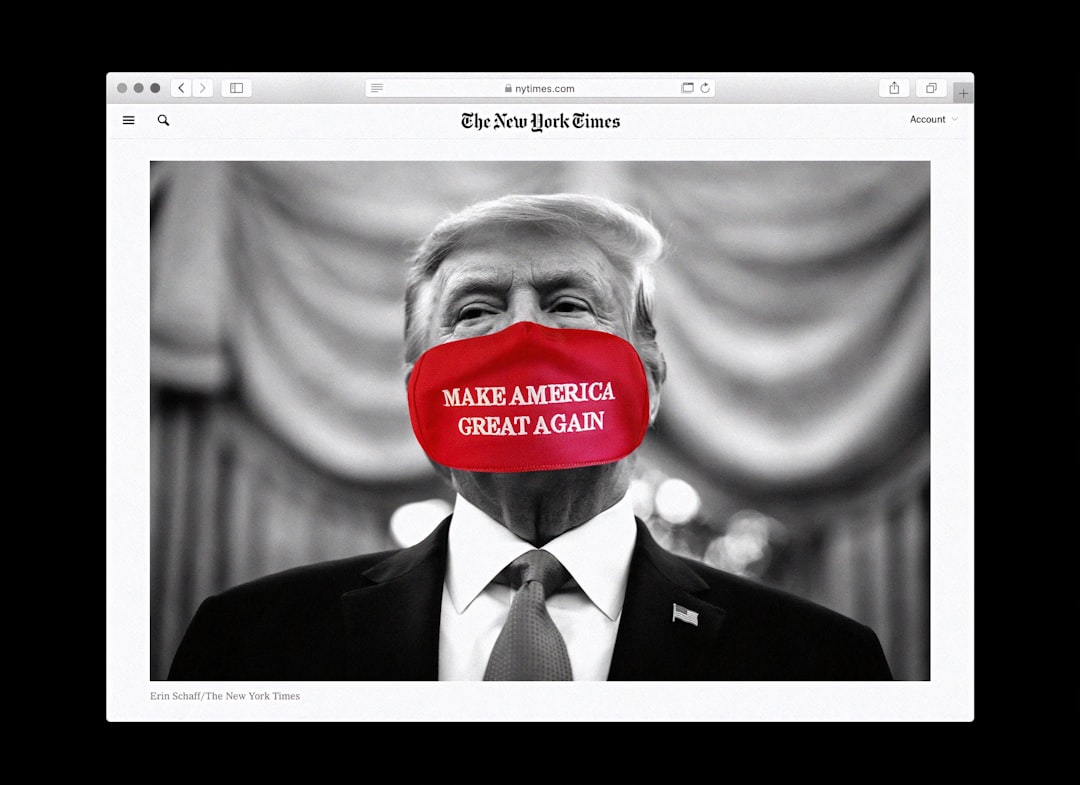
Democrats have taken the step of filing police complaints in response to social media posts by former President Donald Trump. These posts accused them of sedition, a serious charge that implies an attempt to overthrow the government. Although these complaints are not expected to lead to any legal action, they represent a significant escalation in the ongoing tensions between Trump and the Democratic Party.
Key facts
- Democrats have filed police complaints against Trump.
- The complaints are in response to Trump's social media posts.
- Trump's posts accused Democrats of sedition.
- The likelihood of these complaints resulting in legal action is low.
- This incident marks an escalation in tensions between Trump and Democrats.
Background & context
The relationship between former President Donald Trump and the Democratic Party has been fraught with conflict and controversy. Trump's presidency was marked by significant political polarization, with his policies and rhetoric often drawing sharp criticism from Democrats. His post-presidency period has continued to see him as a central figure in American politics, particularly through his active presence on social media platforms. Accusations of sedition are particularly serious, as they suggest attempts to undermine or overthrow the government, a charge that carries heavy historical and legal implications. Sedition has been a rare but potent accusation in American history, often associated with periods of intense political strife. The use of such a charge in political discourse underscores the deep divisions and heightened rhetoric that characterize the current political landscape in the United States.
Why it matters (for US readers)
This development is significant for several reasons. It highlights the ongoing political divisions in the United States and the extent to which these divisions can manifest in legal and procedural actions. The filing of police complaints, even if unlikely to lead to legal consequences, underscores the seriousness with which Democrats view Trump's accusations. It also raises questions about the role of social media in political discourse and the potential consequences of statements made on these platforms. Social media has become a powerful tool in shaping public opinion and political narratives. The ability of political figures to directly communicate with the public has transformed traditional media dynamics, often bypassing conventional channels. This incident illustrates the potential for social media to escalate political conflicts and the challenges of regulating speech in a digital age.
Stakeholders & viewpoints
- Democrats: By filing these complaints, Democrats are signaling their strong opposition to Trump's accusations and their willingness to use legal channels to address what they see as dangerous rhetoric. This move reflects broader concerns about the impact of inflammatory language on democratic institutions and public trust.
- Donald Trump: As the accused party, Trump's perspective is likely one of defending his right to free speech and political expression. His use of social media to communicate directly with his supporters has been a hallmark of his political strategy, emphasizing his outsider status and appeal to populist sentiments.
- Law enforcement and legal authorities: These entities are placed in a position where they must consider the validity and potential consequences of the complaints, despite the low likelihood of legal action. The involvement of law enforcement highlights the intersection of political discourse and legal frameworks, raising questions about the role of the judiciary in mediating political disputes.
Timeline & what to watch next
- Immediate response: Watch for any official statements from Trump or his representatives regarding the complaints. Such statements could provide insight into his legal and political strategy moving forward.
- Legal proceedings: Monitor for any developments in the legal handling of the complaints, though significant action is not expected. The outcome of these proceedings could set precedents for how similar cases are handled in the future.
- Political reactions: Observe reactions from other political figures and parties, which may provide insight into broader political dynamics. The response from Republican leaders, in particular, could influence party unity and strategy.
- Social media discourse: Keep an eye on how this issue is discussed on social media platforms, as it may influence public opinion and political strategies. The role of social media in shaping political narratives and mobilizing supporters will be a key factor to watch.
Sources
Up Next
