Hidden Events That Influenced US Society
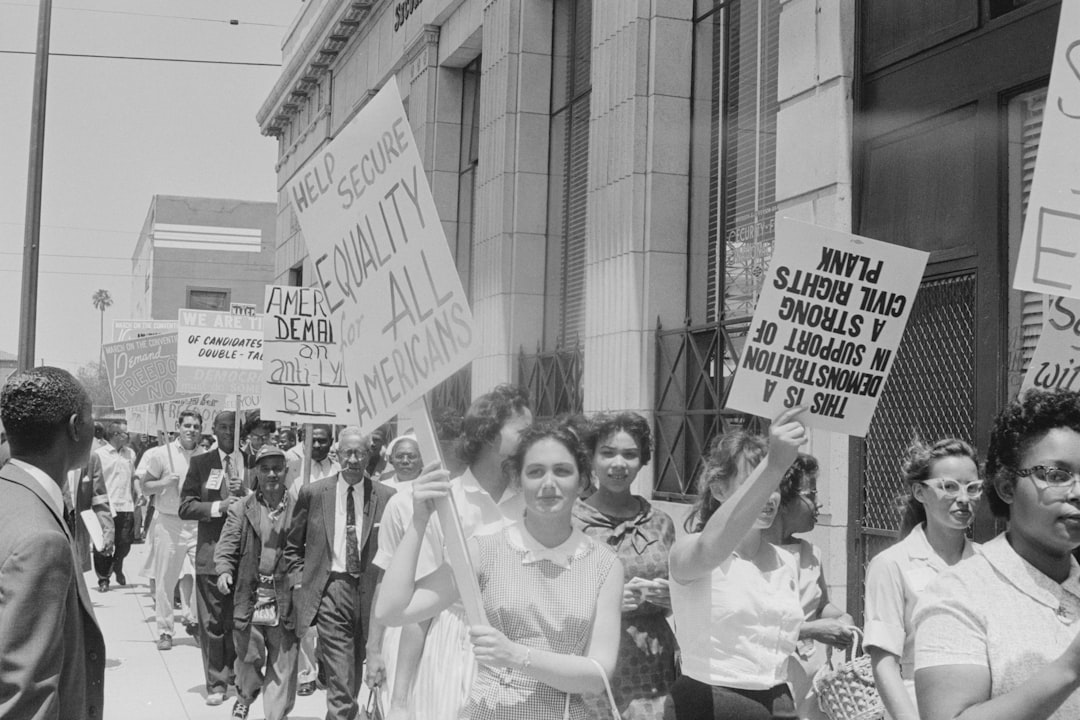
Introduction
While major historical events such as the signing of the Declaration of Independence or the Civil Rights Movement are well-documented in shaping the United States, numerous lesser-known events have also played crucial roles in molding American society. These events, though not always highlighted in mainstream history books, have had lasting impacts on the nation's social, political, and economic fabric.
Key Points
- The Homestead Act of 1862 significantly influenced American westward expansion and settlement patterns.
- The Great Migration altered the demographic and cultural landscape of the United States.
- The Immigration and Nationality Act of 1965 transformed the American demographic profile.
- The GI Bill post-World War II reshaped the American middle class and education system.
Main Sections
The Homestead Act of 1862
The Homestead Act, signed into law by President Abraham Lincoln, was a pivotal piece of legislation that encouraged the westward expansion of the United States. It provided 160 acres of public land to settlers for a small fee, provided they improved the land by building a dwelling and cultivating crops. This act not only facilitated the settlement of the American West but also contributed to the displacement of Native American tribes and the transformation of the American landscape.
The Great Migration
The Great Migration, occurring between 1916 and 1970, was a mass movement of African Americans from the rural South to urban centers in the North and West. This migration was driven by the search for better economic opportunities and escape from the oppressive Jim Crow laws. The Great Migration significantly altered the demographic makeup of cities like Chicago, Detroit, and New York, leading to cultural shifts and the growth of African American communities and influence in these areas.
The Immigration and Nationality Act of 1965
The Immigration and Nationality Act of 1965, also known as the Hart-Celler Act, abolished the national origins quota system that had been in place since the 1920s. This legislation opened the doors to immigrants from Asia, Africa, and Latin America, dramatically changing the demographic composition of the United States. It laid the groundwork for the multicultural society that characterizes the nation today.
The GI Bill
The Servicemen’s Readjustment Act of 1944, commonly known as the GI Bill, provided returning World War II veterans with benefits that included low-cost mortgages, low-interest loans to start businesses, and tuition and living expenses to attend college or vocational schools. This act played a crucial role in the post-war economic expansion, contributing to the growth of the American middle class and the expansion of higher education.
US Examples & Data
- According to the U.S. Census Bureau, the Homestead Act led to the distribution of 270 million acres of land, which accounts for about 10% of the total area of the United States.
- The Pew Research Center notes that the Immigration and Nationality Act of 1965 has resulted in a more than fourfold increase in the foreign-born population in the United States, from 9.6 million in 1965 to 45 million in 2015.
Why It Matters
Understanding these lesser-known events is crucial for comprehending the complexities of American society today. Each of these events contributed to shaping the nation's demographic, cultural, and economic landscapes. They highlight the dynamic nature of American history and the diverse influences that have contributed to the country's development. Recognizing these events allows for a deeper appreciation of the multifaceted nature of American identity and the ongoing challenges and opportunities that arise from its historical context.
FAQ
What was the impact of the Homestead Act on Native American tribes?
The Homestead Act led to significant displacement of Native American tribes as settlers moved westward, resulting in loss of land and traditional ways of life for many indigenous communities.
How did the Great Migration influence American culture?
The Great Migration contributed to the cultural renaissance in cities like Harlem, fostering the development of jazz, blues, and other cultural movements that have become integral to American culture.
Why was the Immigration and Nationality Act of 1965 significant?
It marked a shift from restrictive immigration policies to more inclusive ones, allowing for greater diversity and multiculturalism in the United States.
Sources
- U.S. National Archives - Homestead Act
- Pew Research Center - Immigration and Nationality Act
- Library of Congress - The Great Migration
- U.S. Department of Veterans Affairs - GI Bill
Related Topics
- The Role of the Transcontinental Railroad in American Expansion
- The Impact of the New Deal on American Society
- The Influence of the Civil Rights Movement on Modern Legislation
Up Next
