Clear Skies May Reveal Rare Astronomical Event
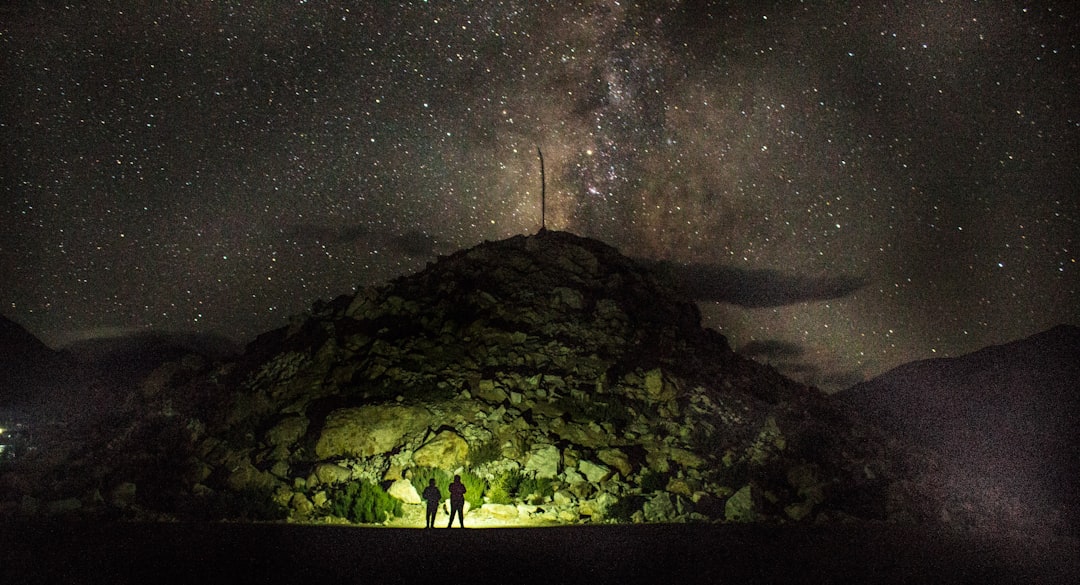
What happened
In Western Washington, there is a possibility of viewing the Leonids meteor shower during a break between weather systems on Tuesday night. However, fog could potentially obscure the view.
Key facts
- The event is related to the Leonids meteor shower.
- Visibility is contingent on a break in weather systems.
- Fog may impact the ability to see the meteor shower.
- The event is expected to occur on a Tuesday night.
- The location of interest is Western Washington.
Background & context
The Leonids meteor shower is an annual astronomical event that occurs when Earth passes through the debris left by the comet Tempel-Tuttle. This comet takes approximately 33 years to orbit the sun, and as Earth intersects its path, the debris enters our atmosphere, creating the meteor shower. The Leonids are known for their fast and bright meteors, which can be a spectacular sight for observers on the ground. Historically, the Leonids have been known to produce meteor storms, with rates of thousands of meteors per hour, although such events are rare. Meteor showers like the Leonids are best viewed in areas with minimal light pollution and clear skies. However, weather conditions such as cloud cover and fog can significantly impact visibility. In Western Washington, the region's typical weather patterns, characterized by frequent rain and overcast skies, pose a challenge for stargazers. The potential break in the weather provides a rare opportunity for residents to witness this celestial event.
Why it matters
For US readers, particularly those in Western Washington, the potential visibility of the Leonids meteor shower presents an opportunity to witness a natural spectacle. Meteor showers are not only visually stunning but also serve as a reminder of Earth's place in the solar system. They offer educational opportunities for families, schools, and amateur astronomers to learn about astronomy and the dynamics of our solar system. The anticipation of clear skies adds an element of excitement and planning for those hoping to catch a glimpse of the meteors. It encourages people to engage with the natural world and can inspire a sense of wonder and curiosity about the universe. Additionally, meteor showers can be a communal experience, bringing people together to share in the awe of the night sky.
Stakeholders & viewpoints
- Astronomy enthusiasts: They are likely eager to observe the meteor shower and may be monitoring weather updates closely. For these individuals, the Leonids represent a chance to engage with their passion and possibly capture photographs or data for personal or educational purposes.
- Local residents: Those interested in astronomy or looking for a unique evening activity may be affected by the weather conditions. For families and individuals, the meteor shower offers a chance to spend time outdoors and experience a natural event that is both entertaining and educational.
- Weather forecasters: They play a crucial role in providing updates on the potential visibility of the meteor shower. Accurate forecasts are essential for planning, as they help residents determine the best times and locations for viewing.
- Educational institutions: Schools and universities may use the event as a teaching opportunity, incorporating it into science curricula or organizing viewing events for students.
Timeline & what to watch next
- Tuesday night: The expected time for potential visibility of the Leonids meteor shower. Stargazers should prepare by finding locations with minimal light pollution and checking weather forecasts for updates on cloud cover and fog.
- Weather updates: Monitoring local forecasts for breaks in weather systems and fog conditions is crucial. Residents should stay informed through local news outlets and weather apps to maximize their chances of seeing the meteor shower.
- Post-event: Observers may share experiences and photographs if visibility conditions are favorable. Social media platforms and local astronomy clubs may serve as venues for sharing observations and discussing the event.
Sources
Up Next
