Chile's Election: Communist vs. Conservative Runoff
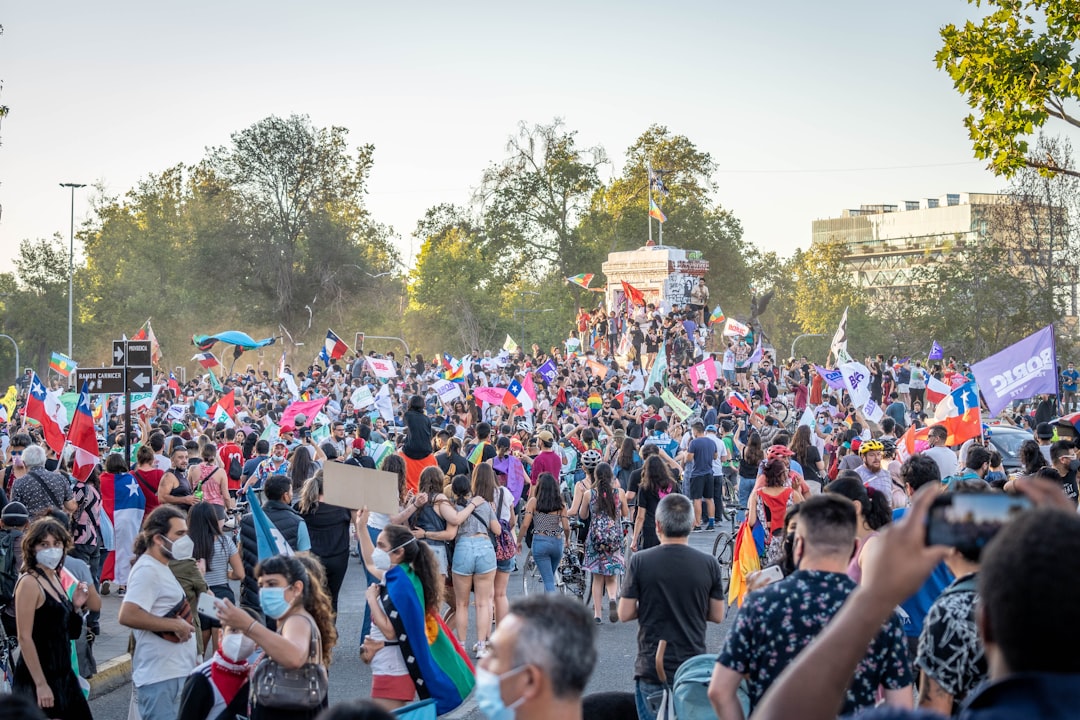
What happened
Chile is preparing for a highly anticipated presidential runoff election. The first round of voting has resulted in a contest between a candidate from the Communist Party and an ultraconservative veteran politician. This development has significantly polarized the country along political lines, with a clear division between the left and right.
Key facts
- The presidential runoff in Chile follows a first-round vote held on a Sunday.
- The candidates represent starkly different political ideologies: one from the Communist Party and the other an ultraconservative with pro-Trump views.
- The election has intensified political polarization in Chile.
Background & context
Chile, a South American nation with a complex political history, is at a crossroads. The country has transitioned from a military dictatorship under Augusto Pinochet to a stable democracy, experiencing significant economic growth and social change. However, recent years have seen growing discontent over inequality and social justice, leading to widespread protests and demands for reform. The current election reflects these tensions, with candidates representing divergent visions for Chile's future. The Communist Party candidate advocates for progressive reforms, aiming to address social inequalities and expand public services. In contrast, the ultraconservative candidate emphasizes traditional values, economic liberalism, and a tough stance on crime and immigration, echoing the rhetoric of former US President Donald Trump. This election is part of a broader global trend where nations are grappling with ideological divides, often resulting in polarized electorates. The outcome could influence Chile's role in regional politics and its approach to international relations, particularly with the United States and other Western nations.
Why it matters (for US readers)
For US readers, Chile's election is significant as it mirrors political dynamics seen in the United States and other democracies. The presence of a pro-Trump conservative candidate highlights the global reach of populist and right-wing ideologies, which have gained traction in various countries. Understanding these international political shifts can provide insights into similar patterns within the US, where polarization and ideological divides have become increasingly pronounced. The election also underscores the interconnectedness of global politics, where domestic developments in one country can have ripple effects worldwide.
Stakeholders & viewpoints
The main stakeholders in this election are the Chilean voters, who face a choice between two distinct political futures. The Communist Party candidate represents a push for social justice, economic equality, and state intervention in the economy. This platform appeals to those seeking change and addressing systemic issues within Chilean society. On the other side is the ultraconservative candidate, whose platform resonates with voters prioritizing economic freedom, security, and traditional values. This candidate's alignment with pro-Trump views suggests a focus on nationalism and skepticism towards globalism, appealing to those wary of rapid social change. These candidates symbolize broader ideological battles that resonate beyond Chile's borders, reflecting a global struggle between progressive and conservative forces. The election outcome could influence regional politics in Latin America, where similar ideological contests are unfolding.
Timeline & what to watch next
- The first round of voting took place on a Sunday.
- The runoff election will determine the next president of Chile.
- Observers are watching how the political polarization will influence voter turnout and engagement. As the runoff approaches, key factors to watch include voter mobilization efforts by both campaigns, potential shifts in public opinion, and the role of social media in shaping the narrative. The election's outcome will not only determine Chile's political direction but also serve as a barometer for the strength of ideological movements in the region.
Sources
Up Next
