Tensions Rise as Chinese Ships Enter Japanese Waters
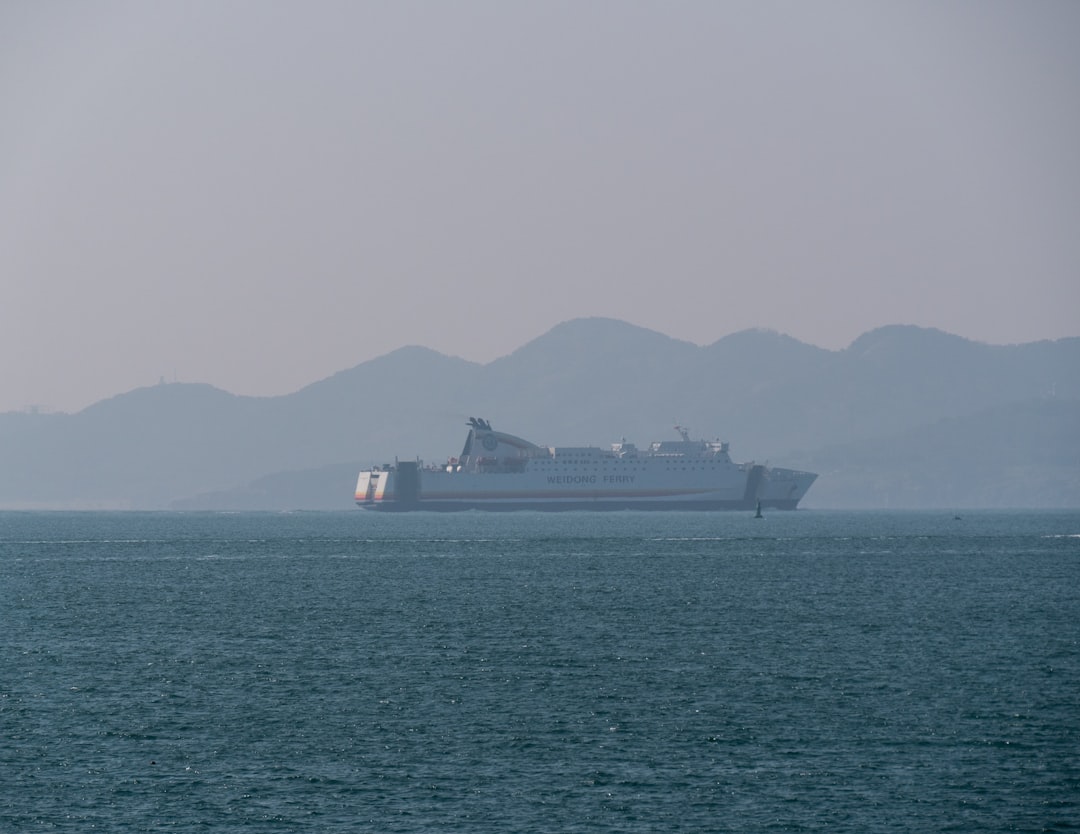
Chinese vessels have entered disputed waters near Japan, escalating tensions between the two nations amid already strained diplomatic relations.
What happened
Chinese ships have entered disputed waters claimed by Japan, escalating tensions between the two nations. This incident occurs amid a diplomatic conflict following comments made by Japanese Prime Minister Sanae Takaichi regarding Taiwan.
Key facts
- Chinese ships have entered waters that are disputed between China and Japan.
- The incident is part of ongoing tensions between the two countries.
- China has issued a warning to its students about potential risks in Japan.
- The diplomatic spat was triggered by comments from Japanese Prime Minister Sanae Takaichi concerning Taiwan.
Background & context
The waters in question have been a longstanding point of contention between China and Japan, with both nations asserting claims over the area. These waters are part of a broader regional dispute involving several countries in East Asia, often centered around historical grievances and national pride. The East China Sea, where these waters are located, is a crucial maritime route for international trade and energy supplies, making it strategically significant. Diplomatic relations between China and Japan have been historically complex, influenced by events dating back to World War II and exacerbated by contemporary geopolitical issues. The status of Taiwan is a particularly sensitive topic, as China views it as a breakaway province, while Japan, along with other nations, maintains unofficial relations with Taiwan, supporting its democratic governance. Such maritime incidents are not uncommon in the region, reflecting broader regional tensions. The presence of military and coast guard vessels from both countries in these disputed areas often leads to standoffs, which can escalate into larger diplomatic conflicts.
Why it matters (for US readers)
For US readers, this development is significant as it highlights the ongoing geopolitical tensions in East Asia, a region where the United States has strategic interests. The US has defense treaties with Japan and maintains a significant military presence in the region, which is crucial for maintaining balance and ensuring freedom of navigation in international waters. The situation underscores the complexities of international relations in the area, particularly concerning Taiwan, which is a critical point of interest for US foreign policy. The US has historically supported Taiwan's self-defense capabilities and has a vested interest in maintaining stability in the Taiwan Strait. Any escalation in tensions between China and Japan could potentially involve the US, given its alliances and commitments in the region.
Stakeholders & viewpoints
- China: Seeks to assert its territorial claims and has issued warnings to its citizens in Japan. China's actions are often seen as part of a broader strategy to expand its influence in the region and assert its sovereignty over disputed territories.
- Japan: Faces pressure to respond to Chinese actions and maintain its territorial integrity. Japan's government must balance its response to Chinese incursions with the need to avoid escalating tensions further, while also reassuring its citizens and allies of its commitment to national security.
- Taiwan: Although not directly involved, Taiwan remains a central issue in China-Japan relations. The island's status is a flashpoint in regional politics, with implications for cross-strait relations and broader geopolitical dynamics.
- United States: Observes the situation closely due to its alliances and strategic interests in the region. The US plays a critical role in ensuring regional stability and may need to navigate diplomatic channels to de-escalate tensions while reaffirming its commitments to allies like Japan.
Timeline & what to watch next
- Monitor for any official responses or actions from the Japanese government: Japan's response to the incursion will be crucial in determining the next steps in this diplomatic conflict. Any military or diplomatic actions could influence the regional balance of power.
- Watch for further diplomatic communications or warnings from China: China's diplomatic posture and any additional warnings to its citizens could signal its intentions and willingness to engage in dialogue or further assert its claims.
- Observe any changes in the presence of military or coast guard vessels in the disputed area: An increase in military presence could heighten tensions and the risk of accidental confrontations, making it a critical factor to monitor.
- Keep an eye on any developments related to Taiwan that may influence the situation: Taiwan's role in the broader geopolitical landscape could impact China-Japan relations, especially if there are significant developments in cross-strait relations or US-Taiwan interactions.
Sources
Up Next
