Global Tuberculosis Deaths Hit 1.23 Million Last Year
What happened
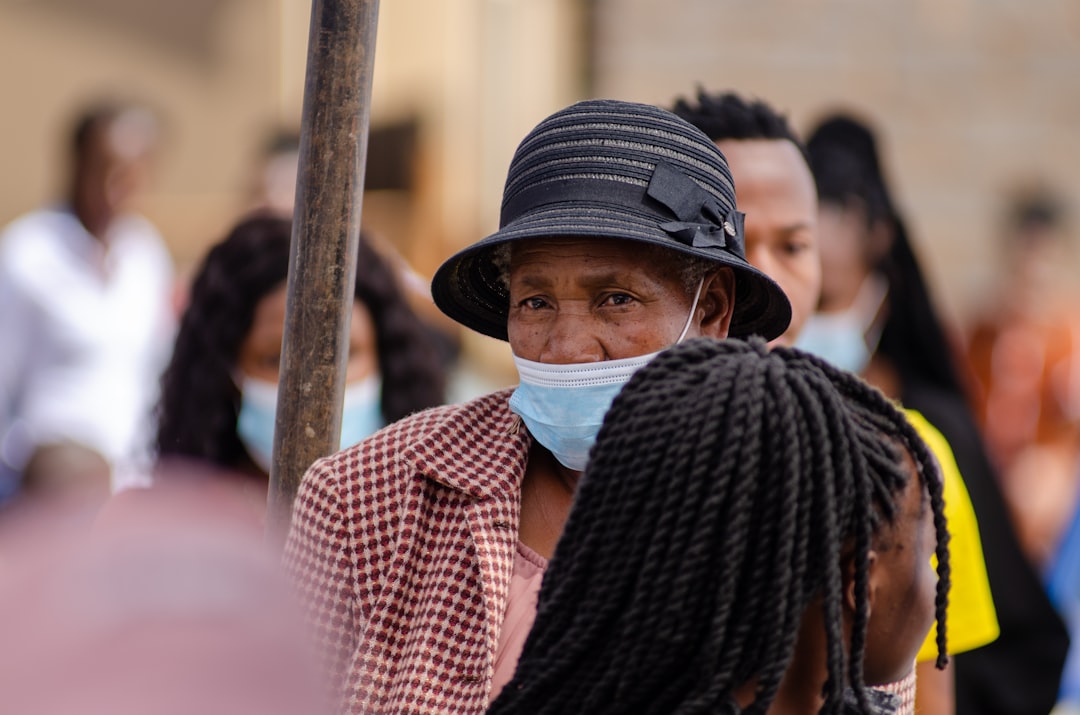
The World Health Organization (WHO) reported that tuberculosis (TB) claimed approximately 1.23 million lives worldwide last year. This announcement highlights the ongoing threat posed by TB as the world's leading infectious killer. The WHO cautioned that recent progress in combating the disease is fragile.
Key facts
- Tuberculosis is identified as the leading infectious killer globally.
- An estimated 1.23 million people died from TB last year.
- The WHO has expressed concerns about the fragility of recent gains against TB.
- The announcement was made by the United Nations health organization.
Background & context
Tuberculosis is a bacterial infection caused by Mycobacterium tuberculosis, primarily affecting the lungs but capable of spreading to other parts of the body. It is transmitted through airborne particles when individuals with active TB cough, sneeze, or speak. Despite being preventable and treatable, TB remains a significant global health challenge, particularly in low- and middle-income countries where healthcare resources may be limited. Efforts to combat TB have historically included vaccination, public health campaigns, and the development of new treatments. The Bacillus Calmette-Guérin (BCG) vaccine is commonly used in countries with high TB prevalence, although its effectiveness varies. Advances in medical research have led to the development of new diagnostic tools and medications, yet drug-resistant strains of TB present ongoing challenges. Multidrug-resistant TB (MDR-TB) and extensively drug-resistant TB (XDR-TB) complicate treatment efforts, requiring longer and more complex treatment regimens. Global initiatives, such as the WHO's End TB Strategy, aim to reduce TB incidence and mortality through improved diagnostics, treatment, and prevention strategies. However, achieving these goals requires addressing social determinants of health, such as poverty, malnutrition, and inadequate living conditions, which contribute to the spread of TB.
Why it matters (for US readers)
For US readers, understanding the global impact of tuberculosis is crucial, as infectious diseases know no borders. The persistence of TB as a leading killer underscores the importance of global health initiatives and cooperation. The interconnectedness of today's world means that TB can affect anyone, anywhere, making international collaboration essential in controlling its spread. The US has a relatively low incidence of TB compared to many other countries, but vigilance is necessary to prevent outbreaks. Public health systems must remain robust, with continued investment in research, surveillance, and healthcare infrastructure. Awareness and education about TB can contribute to early detection and treatment, potentially reducing its spread and impact. Moreover, the US plays a significant role in global health efforts, providing funding and expertise to combat TB worldwide. Supporting international health initiatives aligns with broader public health goals and contributes to global stability and security.
Stakeholders & viewpoints
- World Health Organization (WHO): The WHO is actively monitoring and reporting on TB's impact, emphasizing the need for sustained efforts to combat the disease. Their strategies focus on reducing TB incidence and mortality through comprehensive healthcare approaches.
- Healthcare providers and researchers: These groups are focused on developing and implementing effective treatments and preventive measures against TB. They are at the forefront of addressing drug resistance and improving patient outcomes.
- Global health organizations: Various international bodies, including the Global Fund and Stop TB Partnership, work to address the challenges posed by TB, particularly in regions with high incidence rates. They advocate for increased funding and policy support.
- Governments and policymakers: They play a crucial role in funding and supporting public health initiatives aimed at controlling TB. Policy decisions can impact resource allocation, research funding, and healthcare access.
Timeline & what to watch next
- Continued monitoring of TB incidence and mortality rates by the WHO will provide insights into the effectiveness of current strategies and highlight areas needing attention.
- Developments in TB treatment and prevention strategies, including new vaccines and medications, are critical to overcoming drug resistance and improving patient care.
- International efforts and collaborations aimed at reducing TB's global impact will be essential in achieving the WHO's End TB Strategy goals.
- Potential policy changes or funding increases for TB-related healthcare initiatives could significantly influence the trajectory of the disease's impact globally.
Sources
Up Next
