Severe Solar Storms May Cause Auroras on Earth
What happened
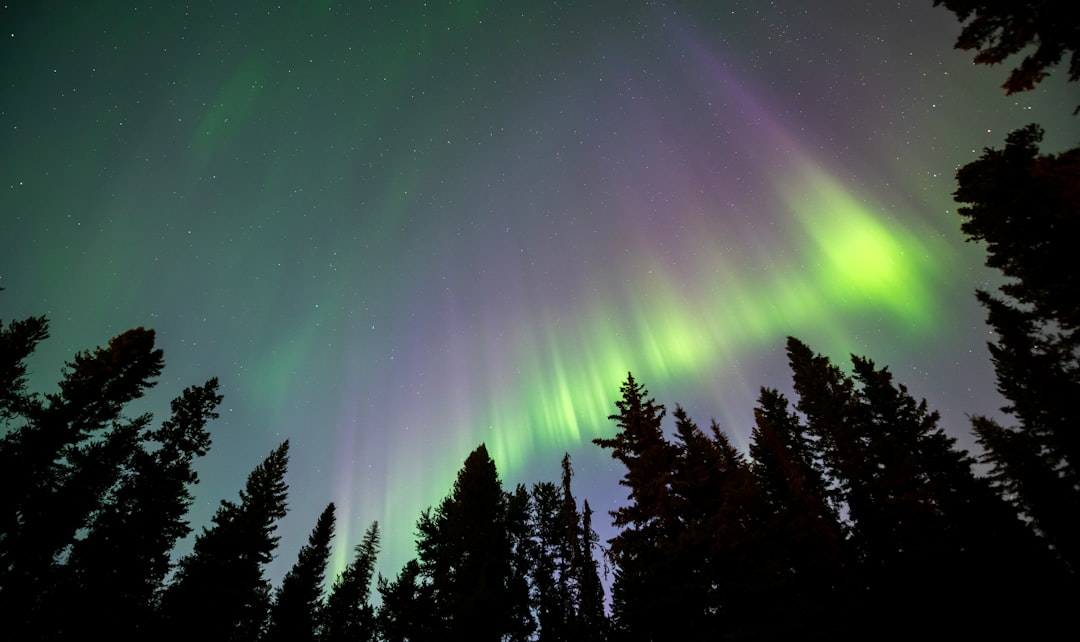
Space forecasters have reported that the sun has emitted bursts of energy known as coronal mass ejections. These solar events are expected to reach Earth by Tuesday night, potentially causing vibrant auroras visible across much of the northern United States.
Key facts
- The solar activity involves coronal mass ejections from the sun.
- These ejections are expected to reach Earth on Tuesday night.
- The resulting auroras could be visible across much of the northern U.S.
- The information was reported by NPR.
- The report was published on November 12, 2025.
Background & context
Coronal mass ejections (CMEs) are significant solar phenomena involving the release of plasma and magnetic fields from the sun's outer layer, known as the corona. These ejections can travel through space and, upon reaching Earth, interact with the planet's magnetosphere. This interaction can lead to geomagnetic storms, which are disturbances in Earth's magnetic field. Such storms are responsible for creating auroras, the stunning natural light displays known as the Northern and Southern Lights. Typically, these auroras are visible in polar regions, where the Earth's magnetic field is strongest. However, during intense solar activity, they can be seen at lower latitudes, offering a rare spectacle for those in regions like the northern United States. CMEs are part of the broader category of space weather, which encompasses various solar phenomena that can affect Earth's environment. Understanding space weather is crucial as it can have significant implications for technology and infrastructure. For instance, geomagnetic storms can disrupt satellite communications, affect GPS accuracy, and even impact power grids by inducing currents in electrical systems. As society becomes increasingly reliant on technology, monitoring and predicting space weather events have become essential to mitigate potential disruptions.
Why it matters (for US readers)
For residents of the northern United States, this solar activity presents a rare opportunity to witness auroras, which are typically confined to polar regions. The chance to observe such a natural phenomenon can be a unique and memorable experience. Beyond the visual spectacle, the event underscores the importance of understanding and monitoring solar storms. These storms can have far-reaching effects on modern technology. Satellite operations, crucial for communication and navigation, can be disrupted by increased solar activity. GPS systems, which are integral to various sectors, including transportation and agriculture, can experience reduced accuracy. Additionally, power grids, especially in high-latitude areas, are vulnerable to geomagnetic-induced currents, which can lead to outages or damage to infrastructure.
Stakeholders & viewpoints
- Space forecasters: They play a crucial role in predicting and communicating the potential impacts of solar activity on Earth. Their forecasts help prepare for and mitigate the effects of space weather on technology and infrastructure.
- Residents in northern U.S.: They may have the chance to observe a natural phenomenon that is not commonly visible in their region. This event provides an opportunity for education and engagement with the natural world.
- Scientists and researchers: They are interested in studying the effects of solar storms on Earth's magnetic field and technology. Research in this area can lead to better predictive models and strategies to protect technological systems from space weather impacts.
- Utility companies and infrastructure managers: They must be vigilant in monitoring the potential impacts of geomagnetic storms on power grids and communication systems. Proactive measures can help prevent disruptions and ensure the resilience of critical infrastructure.
Timeline & what to watch next
- Tuesday night: Expected arrival of the coronal mass ejections on Earth. This is the primary window for observing potential auroras across the northern U.S.
- Observation opportunities: Residents in affected areas should look for updates on the best times and locations to view the auroras. Clear skies and minimal light pollution will enhance visibility.
- Monitoring: Continued updates from space forecasters on the intensity and impact of the solar activity. These updates will be crucial for stakeholders to assess potential risks and take necessary precautions.
- Long-term implications: The event highlights the ongoing need for investment in space weather research and infrastructure resilience. As solar activity follows an 11-year cycle, understanding these patterns is vital for future preparedness.
Sources
Up Next
