How Renewable Energy Is Shaping the US in 2025
Introduction
Renewable energy is increasingly becoming a focal point in the United States' energy landscape. As concerns about climate change and energy independence grow, the shift towards renewable sources such as wind, solar, and hydropower is gaining momentum. This article delves into the current trends, challenges, and opportunities associated with renewable energy in the US.
Key Points
- Growth in Renewable Energy: The US has seen significant growth in renewable energy capacity, particularly in wind and solar power.
- Policy Support: Federal and state policies have been crucial in driving renewable energy adoption.
- Technological Advancements: Innovations in technology are making renewable energy more efficient and cost-effective.
- Economic Impact: The renewable energy sector is creating jobs and contributing to economic growth.
- Environmental Benefits: Renewables play a critical role in reducing greenhouse gas emissions and mitigating climate change.
- Challenges: Despite progress, challenges such as grid integration and storage remain.
Quick Q&A
- What is the current share of renewable energy in the US energy mix?
As of 2022, renewable energy accounted for about 20% of the total electricity generation in the US. - Which renewable energy source is growing the fastest in the US?
Solar energy is currently the fastest-growing renewable energy source in the US. - How does government policy impact renewable energy growth?
Government policies, including tax incentives and renewable portfolio standards, significantly boost renewable energy development. - What are the main challenges facing renewable energy in the US?
Key challenges include energy storage, grid integration, and the intermittency of renewable sources. - How does renewable energy impact job creation?
The renewable energy sector is a significant source of job creation, particularly in manufacturing, installation, and maintenance. - What role does technology play in renewable energy?
Technological advancements are crucial for improving efficiency, reducing costs, and integrating renewables into the grid. - Are there any environmental downsides to renewable energy?
While generally beneficial, renewable energy projects can have environmental impacts, such as habitat disruption and resource use. - How does renewable energy contribute to energy independence?
By reducing reliance on imported fossil fuels, renewable energy enhances national energy security.
Deeper Dive
The transition to renewable energy in the US is driven by a combination of environmental, economic, and policy factors. The federal government has implemented various measures, such as the Production Tax Credit (PTC) and the Investment Tax Credit (ITC), to incentivize renewable energy projects. These policies have been instrumental in reducing costs and encouraging investment in the sector. Technological advancements have also played a pivotal role. For instance, improvements in photovoltaic cell efficiency and wind turbine design have significantly lowered the cost of solar and wind energy. Energy storage technologies, such as batteries, are also evolving, addressing the intermittency issues associated with renewables. Despite these advancements, challenges remain. The integration of renewable energy into the existing grid infrastructure requires significant upgrades and investments. Moreover, the variability of renewable sources necessitates the development of reliable storage solutions to ensure a stable energy supply.
US Examples & Data
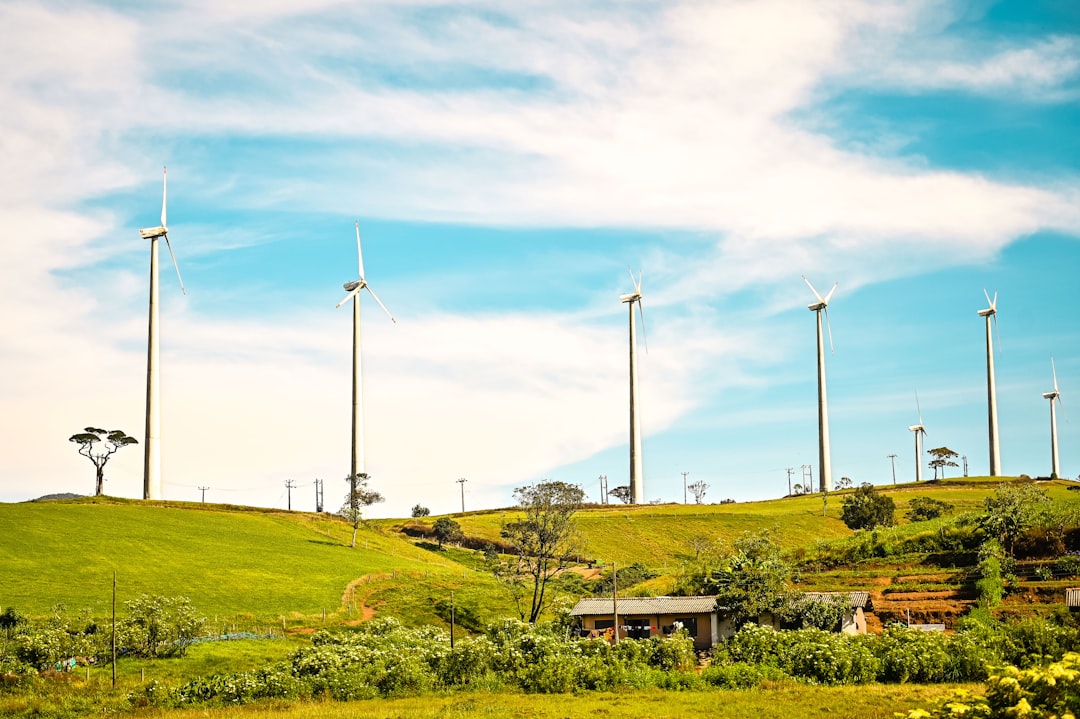
- Wind Energy: The US is a global leader in wind energy, with Texas, Iowa, and Oklahoma being the top states for wind power generation. As of 2021, wind energy accounted for about 9% of the total electricity generation in the US.
- Solar Energy: California leads the nation in solar energy production, thanks to its favorable climate and supportive policies. The state has set ambitious goals to increase its renewable energy capacity further.
- Hydropower: While not growing as rapidly as wind and solar, hydropower remains a significant contributor to the US energy mix, particularly in the Pacific Northwest.
- Biomass and Geothermal: These sources contribute to the renewable energy portfolio, with states like Oregon and Nevada harnessing geothermal energy due to their geological advantages.
Why It Matters
The shift towards renewable energy is crucial for several reasons. Environmentally, it helps reduce greenhouse gas emissions, which are a major contributor to climate change. Economically, the renewable energy sector is a growing source of jobs and investment. Additionally, increasing the share of renewables in the energy mix enhances energy security by reducing dependence on imported fossil fuels.
Sources
- U.S. Energy Information Administration (EIA) - Renewable Energy Explained
- National Renewable Energy Laboratory (NREL)
- Department of Energy - Office of Energy Efficiency & Renewable Energy
- Pew Research Center - Renewable Energy
- Union of Concerned Scientists - Renewable Energy
Related Topics
- The Role of Energy Storage in Renewable Energy
- Federal and State Policies on Renewable Energy
- Technological Innovations in Renewable Energy
- The Economic Impact of Renewable Energy Transition
- Renewable Energy and Climate Change Mitigation
Up Next
