Decoding Food Labels: A Guide for Grocery Shoppers
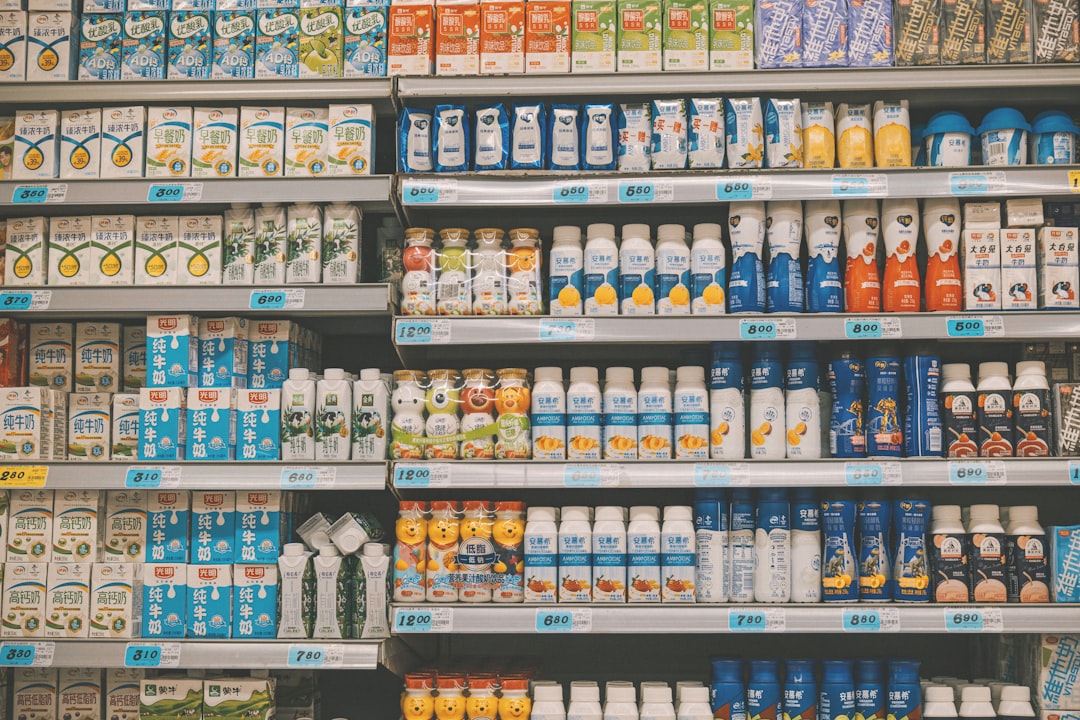
Introduction
Navigating the aisles of a grocery store can be overwhelming, especially when faced with a multitude of products all claiming to be healthy. Nutrition labels are essential tools that can help consumers make informed decisions about the foods they purchase. Understanding these labels is crucial for maintaining a balanced diet and promoting overall health.
Key Points
- Serving Size: The serving size is the first piece of information on a nutrition label and sets the foundation for understanding the rest of the data. It indicates the amount of food that the nutritional information pertains to, and all other values on the label are based on this serving size.
- Calories: This section shows the total number of calories per serving. Monitoring calorie intake is important for weight management and overall health.
- Nutrients to Limit: Saturated fat, trans fat, cholesterol, and sodium are nutrients that should be consumed in limited quantities. High intake of these can lead to health issues such as heart disease and hypertension.
- Nutrients to Get Enough Of: Dietary fiber, vitamin D, calcium, iron, and potassium are essential nutrients that many Americans do not get enough of. These nutrients support various bodily functions and contribute to overall health.
- % Daily Value (%DV): This percentage helps consumers understand how much a nutrient in a serving of food contributes to a daily diet. A %DV of 5% or less is considered low, while 20% or more is considered high.
- Ingredients List: Ingredients are listed in descending order by weight. This list can help consumers identify the primary components of the food and avoid allergens or unwanted additives.
Case Study
Consider a family of four living in suburban Ohio. The parents, both working full-time, aim to provide nutritious meals for their two children, aged 8 and 12. During their weekly grocery trip, they focus on selecting items that are both healthy and budget-friendly. They pick up a box of cereal that claims to be "whole grain" and "low sugar." By examining the nutrition label, they notice the serving size is 1 cup, with 120 calories per serving. The label shows 3 grams of dietary fiber (12% DV) and 8 grams of sugar. The ingredients list reveals that sugar is the second ingredient, indicating a higher sugar content than expected. Armed with this information, they decide to choose a different cereal with whole grains listed as the first ingredient and a lower sugar content.
Analysis
Understanding nutrition labels empowers consumers to make healthier choices. In the case study, the family was able to discern the true nutritional value of the cereal beyond the marketing claims on the packaging. This skill is crucial as many food products use health-related buzzwords that can be misleading. By focusing on the serving size, %DV, and ingredients list, consumers can better assess the nutritional quality of the foods they purchase.
US Examples & Data
According to the Centers for Disease Control and Prevention (CDC), more than 70% of adults in the United States are overweight or obese, highlighting the importance of understanding nutrition labels to manage calorie intake and maintain a healthy weight. The Food and Drug Administration (FDA) has updated nutrition labels to make them easier to read, with larger font sizes for calories and serving sizes, and the inclusion of added sugars. A study by the National Institutes of Health (NIH) found that people who frequently read nutrition labels tend to have healthier diets, characterized by lower fat and sugar intake and higher consumption of fiber and essential vitamins.
Why It Matters
Decoding nutrition labels is a practical skill that can significantly impact public health. With rising rates of obesity and diet-related diseases in the United States, being able to make informed food choices is more important than ever. Understanding nutrition labels helps consumers avoid excessive intake of harmful nutrients while ensuring they get enough of the beneficial ones. This knowledge contributes to better health outcomes and can help reduce healthcare costs associated with diet-related illnesses.
Sources
- FDA - Nutrition Facts Label
- CDC - Adult Obesity Facts
- NIH - Nutrition Label Use and Its Association with Dietary Quality
Related Topics
- The Impact of Processed Foods on Health
- Understanding Food Allergens and Labeling
- The Role of Dietary Fiber in a Healthy Diet
Up Next
