SpaceX Deploys 29 Starlink Satellites from Florida
What happened
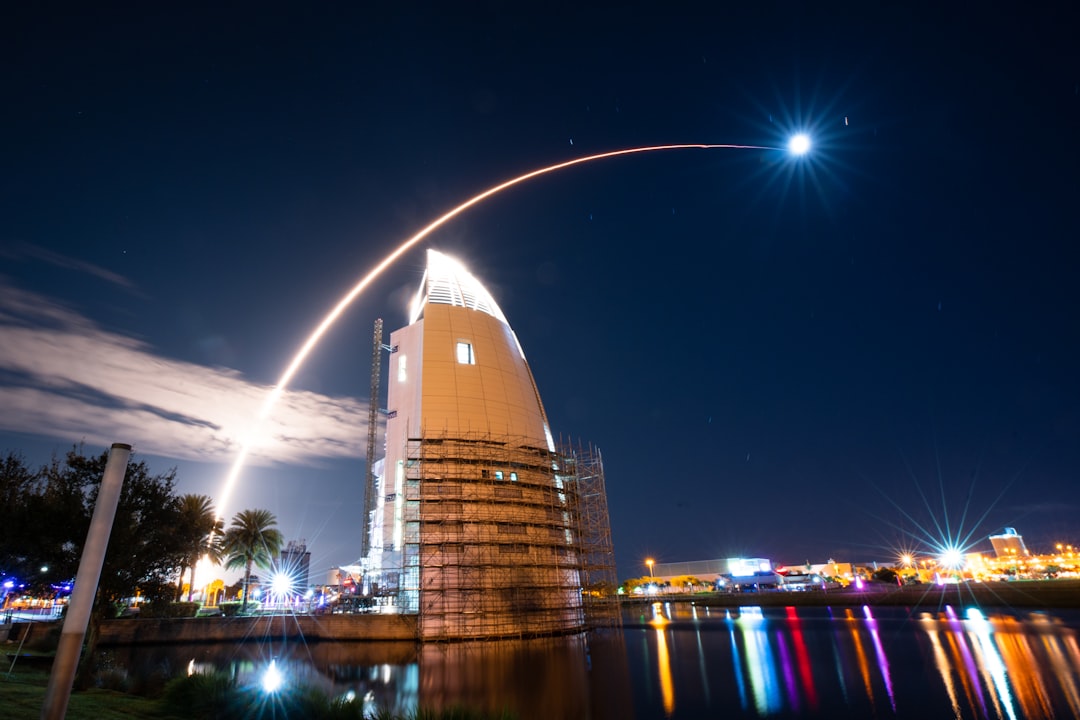
SpaceX conducted a launch from Florida's Space Coast, deploying 29 Starlink satellites into orbit. This mission represents the 143rd launch of the Falcon 9 rocket in the year 2025.
Key facts
- SpaceX launched 29 Starlink satellites.
- The launch took place from Florida's Space Coast.
- This mission was the 143rd Falcon 9 launch of the year.
- The event was covered by Space.com.
Background & context
SpaceX, founded by Elon Musk, is a private aerospace manufacturer and space transportation company that has revolutionized the space industry with its focus on reusability and cost reduction. The company has been actively launching Starlink satellites to build a global broadband network, aiming to provide high-speed internet access across the globe, especially in areas where connectivity is limited or non-existent. The Falcon 9 rocket, a cornerstone of SpaceX's fleet, is a reusable spacecraft designed to transport payloads into orbit. Its reusability is a significant innovation, allowing SpaceX to reduce costs and increase the frequency of launches. This approach has set a new standard in the aerospace industry, encouraging other companies to pursue similar technologies. Florida's Space Coast is a prominent location for space launches due to its proximity to the equator, which provides an advantageous position for launching spacecraft. The region has a rich history in space exploration, being home to NASA's Kennedy Space Center and Cape Canaveral Space Force Station, which have been the starting points for numerous historic missions.
Why it matters (for US readers)
The launch of additional Starlink satellites is significant as it contributes to the expansion of global internet coverage, particularly in underserved areas. In the United States, rural and remote communities often face challenges in accessing reliable internet services. By expanding the Starlink network, SpaceX aims to bridge this digital divide, providing more equitable access to information and opportunities. Moreover, the success of SpaceX's frequent launches demonstrates advancements in reusable rocket technology, which can reduce the cost of space travel and foster further innovation in the aerospace industry. This has implications for the future of space exploration, potentially making it more accessible and sustainable. The expansion of satellite internet services also has broader economic implications. Improved connectivity can enhance education, healthcare, and economic development in remote areas, contributing to overall societal progress. For businesses, reliable internet access can open new markets and facilitate remote work, which has become increasingly important in the modern economy.
Stakeholders & viewpoints
- SpaceX: As the company behind the launch, SpaceX continues to solidify its role as a leader in space transportation and satellite internet services. Its ambitious goals and frequent launches keep it at the forefront of the industry, pushing the boundaries of what is possible in space technology.
- Consumers: Individuals in remote or underserved areas stand to benefit from improved internet access as the Starlink network expands. This can lead to enhanced quality of life, greater access to information, and new opportunities for education and employment.
- Aerospace industry: Competitors and collaborators in the aerospace sector may view SpaceX's frequent launches as both a challenge and an opportunity for partnership and innovation. The company's success in reducing launch costs and increasing frequency sets a benchmark that others in the industry may strive to meet or exceed.
- Regulatory bodies: As the number of satellites in orbit increases, regulatory bodies must address concerns related to space traffic management and orbital debris. Ensuring the sustainability of space activities is crucial for the long-term viability of satellite networks.
Timeline & what to watch next
- Continued launches of Starlink satellites by SpaceX: SpaceX plans to continue its aggressive launch schedule, further expanding the Starlink constellation and enhancing global internet coverage.
- Developments in global internet coverage and connectivity improvements: As the Starlink network grows, monitoring its impact on internet accessibility and quality in underserved regions will be important. This includes assessing how effectively it addresses the digital divide.
- Advancements in reusable rocket technology and its impact on the aerospace industry: The continued success of reusable rockets could lead to more frequent and cost-effective space missions, potentially opening new avenues for exploration and commercial activities in space.
- Regulatory developments and space sustainability efforts: As satellite constellations grow, efforts to manage space traffic and mitigate orbital debris will be critical. Watching how regulatory frameworks evolve to address these challenges will be important for the future of space operations.
Sources
Up Next
