Senate Efforts Intensify Amid 40-Day Government Shutdown
What happened
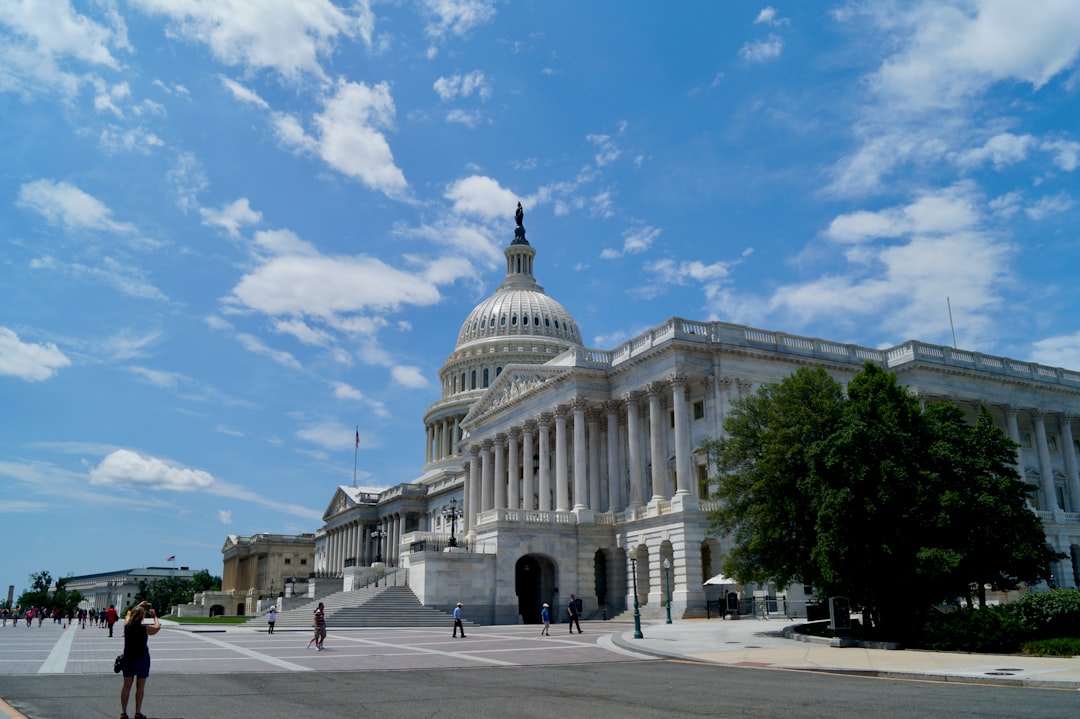
The United States government shutdown has entered its 40th day. Senators are engaged in a demanding weekend session in Washington, D.C., as they attempt to resolve the ongoing funding impasse. The shutdown has caused nationwide disruptions, including impacts on air travel and threats to food assistance programs for millions of Americans.
Key facts
- The government shutdown has lasted for 40 days.
- Senators are working through the weekend in Washington to address the funding issue.
- The shutdown has disrupted flights across the country.
- Food assistance for millions of Americans is at risk due to the shutdown.
Background & context
Government shutdowns occur when Congress fails to pass sufficient appropriation bills or continuing resolutions to fund federal government operations and agencies. This can lead to the furlough of non-essential personnel and the suspension of various government services. Historically, shutdowns have been used as a political tool during budget negotiations. The current shutdown is one of the longest in U.S. history, reflecting deep political divisions over budgetary priorities. The federal budget process involves complex negotiations between the executive branch and Congress, with the President proposing a budget and Congress modifying and approving it. Disagreements often arise over spending levels for various programs, including defense, healthcare, and social services. In recent years, these disagreements have become more pronounced, leading to frequent budget standoffs.
Why it matters
For US readers, the government shutdown has significant implications. It affects federal employees, who may face furloughs or work without pay, and disrupts services that many Americans rely on, such as air travel and food assistance programs. The prolonged nature of this shutdown heightens these impacts, creating uncertainty and potential economic repercussions. Federal employees, including those in critical roles such as air traffic controllers and TSA agents, are working without pay, which can affect morale and efficiency. The disruption in services can lead to delays and reduced capacity in air travel, affecting both domestic and international flights. Additionally, programs like the Supplemental Nutrition Assistance Program (SNAP) face funding challenges, threatening food security for millions. The economic impact extends beyond federal employees and service disruptions. A prolonged shutdown can affect consumer confidence and spending, potentially slowing economic growth. Businesses that rely on government contracts or services may also face financial strain, leading to broader economic consequences.
Stakeholders & viewpoints
Various stakeholders are involved in the shutdown, including federal employees, government agencies, and the general public who rely on government services. Senators and other lawmakers are working to find a resolution, each with differing viewpoints on budget priorities and funding allocations. The shutdown reflects broader political dynamics and negotiations within Congress. Federal employees are among the most directly affected, facing financial uncertainty and potential hardship. Government agencies must navigate reduced staffing and resources, impacting their ability to serve the public effectively. The general public experiences the consequences of disrupted services, from delayed flights to potential loss of food assistance. Lawmakers are divided along party lines, with differing priorities for government spending. Some advocate for increased funding for defense and border security, while others prioritize social programs and healthcare. These differing priorities contribute to the impasse, as each side seeks to advance its agenda.
Timeline & what to watch next
- The shutdown has reached its 40th day.
- Senators are engaged in a weekend session to resolve the funding issue.
- Watch for announcements from Congress regarding potential resolutions.
- Monitor impacts on federal services and public response.
As the shutdown continues, attention will focus on the negotiations in Congress. Any potential resolution will require compromise and agreement on key budgetary issues. The public response, including protests or advocacy efforts, may influence the political dynamics and urgency of reaching a resolution. The longer the shutdown persists, the greater the potential for lasting economic and social impacts. Observers will be watching for signs of progress in negotiations and any shifts in political positions that could lead to a breakthrough. The resolution of the shutdown will likely involve complex negotiations and potential concessions from both sides.
Sources
Up Next
