Microwave Boiling: Why Bubbles May Not Form
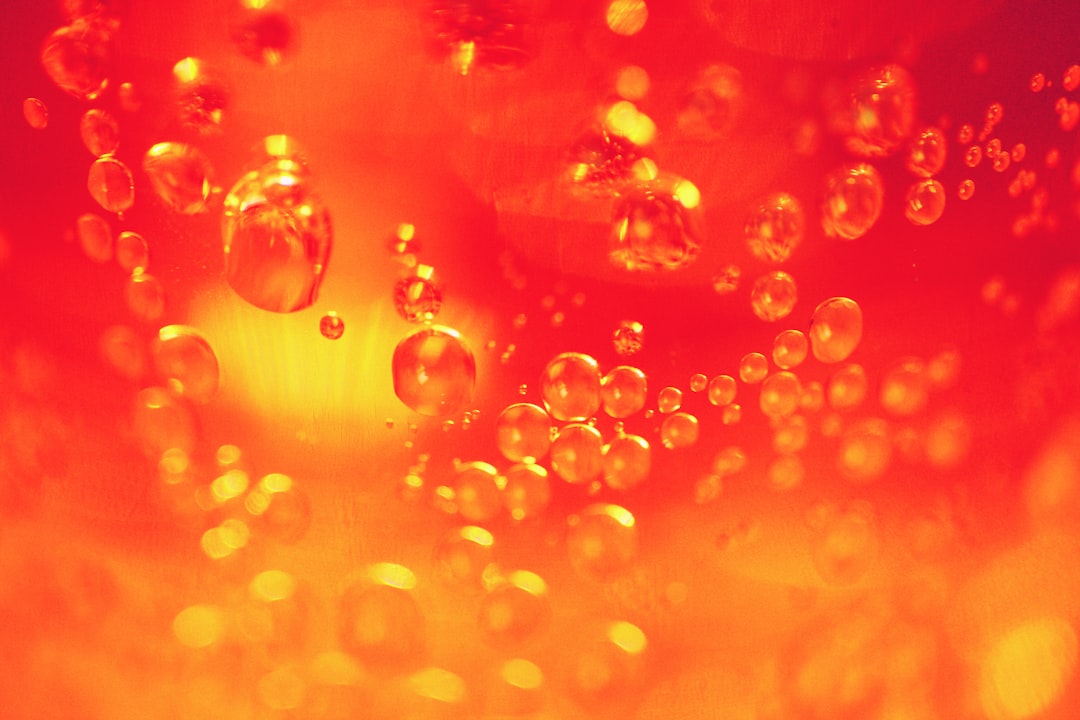
What happened
A recent article from Live Science explores the phenomenon of why boiling water typically produces bubbles, but this effect is often absent when water is heated in a microwave.
Key facts
- The article was published by Live Science on November 8, 2025.
- It examines the difference in how water boils in a microwave compared to traditional heating methods.
- The presence of bubbles is a common indicator of boiling water.
- Microwaves can heat water without the visible formation of bubbles.
Background & context
Boiling water is a fundamental process in both cooking and scientific applications. It involves heating water until it reaches its boiling point, typically 100 degrees Celsius (212 degrees Fahrenheit) at sea level, where it transitions from a liquid to a gas, forming bubbles. This transformation is a result of heat energy causing water molecules to move rapidly, overcoming atmospheric pressure. In traditional stovetop boiling, heat is applied from below, causing the water at the bottom of the pot to heat first. As this water reaches its boiling point, it forms bubbles that rise to the surface. These bubbles are visible indicators of boiling, signaling that the water is hot enough for cooking or sterilization. Microwaves, however, heat water differently. They use electromagnetic waves to agitate water molecules throughout the liquid, rather than just from the bottom. This can result in water reaching its boiling point without forming bubbles, a phenomenon known as superheating. Superheated water can remain in a liquid state even above its boiling point until it is disturbed, at which point it can rapidly boil over, posing a safety risk.
Why it matters (for US readers)
Understanding the differences in how water boils in a microwave versus traditional methods is crucial for safety and effective cooking practices. Microwaves are ubiquitous in American households due to their convenience and speed. However, the risk of superheating makes it important for users to be aware of potential hazards. Superheated water can cause burns or scalds if it suddenly boils over when disturbed, such as by adding a spoon or instant coffee. Moreover, this knowledge can influence cooking techniques. For instance, recipes that require precise boiling may not work as intended if the water is heated in a microwave without visible boiling. This can affect the texture and taste of foods like pasta or rice, which rely on consistent boiling temperatures.
Stakeholders & viewpoints
- Consumers: Individuals who frequently use microwaves for heating water need to understand the safety implications of superheating. Awareness can prevent accidents and improve cooking outcomes.
- Scientists and educators: This topic is relevant for those studying or teaching physics, particularly thermodynamics and heat transfer. It provides a practical example of how different heating methods affect molecular behavior.
- Appliance manufacturers: Companies producing microwaves might consider this information for product safety and consumer education. Clear guidelines and warnings about the risks of superheating could enhance user safety and satisfaction.
Timeline & what to watch next
- November 8, 2025: Live Science publishes the article.
- Future research or articles may explore further scientific explanations or safety guidelines related to microwave heating. This could include studies on how to prevent superheating or innovations in microwave technology to mitigate risks.
Sources
Up Next
