Amazon Lake Heatwave Causes Mass Dolphin Deaths
What happened
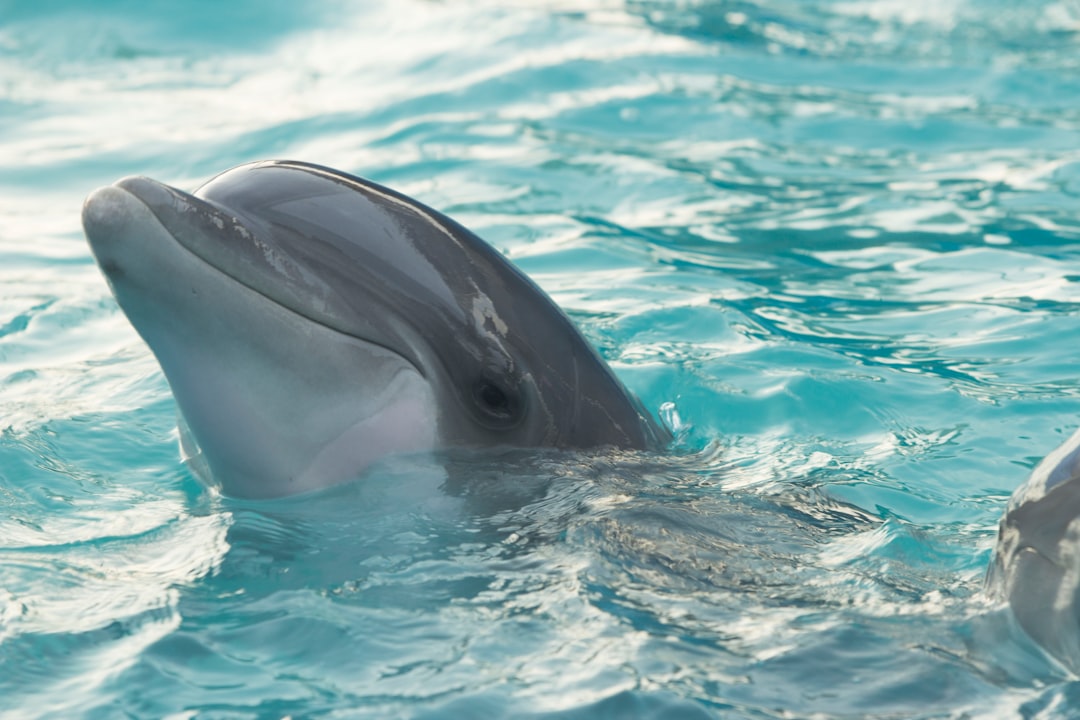
A study reported by CBS News has found that hundreds of dolphins were discovered dead in an Amazon lake where the water temperature was hotter than a jacuzzi. The lead author of the study noted the extreme heat, stating, "You couldn't put your finger in the water."
Key facts
- Hundreds of dolphins were found dead in an Amazon lake.
- The water temperature in the lake was hotter than a jacuzzi.
- The study highlights the effects of planetary warming on aquatic ecosystems.
- The findings were reported by CBS News.
Background & context
The Amazon rainforest, often referred to as the "lungs of the Earth," is a critical component of the global ecosystem. It plays a significant role in regulating the planet's climate by absorbing vast amounts of carbon dioxide and producing oxygen. The Amazon is home to an unparalleled diversity of species, many of which are found nowhere else on Earth. This biodiversity includes a wide range of aquatic life that thrives in the region's rivers and lakes. The rising global temperatures, attributed to climate change, have been causing significant shifts in weather patterns, leading to more frequent and intense heatwaves. Such climatic changes are particularly concerning for the Amazon, where the delicate balance of the ecosystem is easily disrupted. The extreme heat in the Amazon lake, as highlighted by the study, is a stark example of how climate change can directly impact wildlife, leading to catastrophic events such as mass die-offs.
Why it matters (for US readers)
The findings from this study underscore the broader implications of climate change, which is a global issue affecting ecosystems worldwide, including in the United States. The situation in the Amazon serves as a stark reminder of the potential consequences of rising temperatures on biodiversity and the health of aquatic environments. In the US, similar concerns are raised regarding the impact of climate change on ecosystems such as the Great Lakes and the Mississippi River, where rising temperatures and changing precipitation patterns threaten local wildlife and water quality. Understanding these impacts is crucial for developing strategies to mitigate climate change and protect vital ecosystems. The Amazon's plight highlights the interconnectedness of global ecosystems and the importance of international cooperation in addressing environmental challenges. For US policymakers and citizens, it emphasizes the need for robust climate policies and conservation efforts to safeguard both domestic and international natural resources.
Stakeholders & viewpoints
- Environmental Scientists: Likely to emphasize the need for urgent action to address climate change and its impact on ecosystems. They may advocate for increased research and monitoring to better understand the effects of rising temperatures on biodiversity.
- Conservationists: May focus on the importance of protecting biodiversity and the specific challenges faced by species in the Amazon. They often call for stronger conservation measures and habitat protection to prevent further loss of wildlife.
- Policy Makers: Could be concerned with the implications of such findings for environmental policy and international climate agreements. They might consider how to integrate these findings into national and international strategies to combat climate change.
- Local Communities: Indigenous and local communities in the Amazon region, who rely on the natural environment for their livelihoods, may be directly affected by such ecological disruptions. Their perspectives are crucial in crafting effective conservation strategies.
Timeline & what to watch next
- Study Publication: The study was reported by CBS News on November 7, 2025.
- Ongoing Monitoring: Watch for further studies and reports on the impact of climate change on aquatic ecosystems. Continued research is essential to track changes and develop adaptive strategies.
- Policy Developments: Potential policy responses or initiatives aimed at addressing climate change and protecting ecosystems. This could include international climate summits, new environmental regulations, or increased funding for conservation efforts.
- Technological Innovations: Advances in technology may offer new tools for monitoring and mitigating the effects of climate change on ecosystems. Innovations in satellite imaging, data analysis, and environmental engineering could play a role in future conservation efforts.
Sources
Up Next
