Amazon Lake Heat Causes Mass Dolphin Mortality
What happened
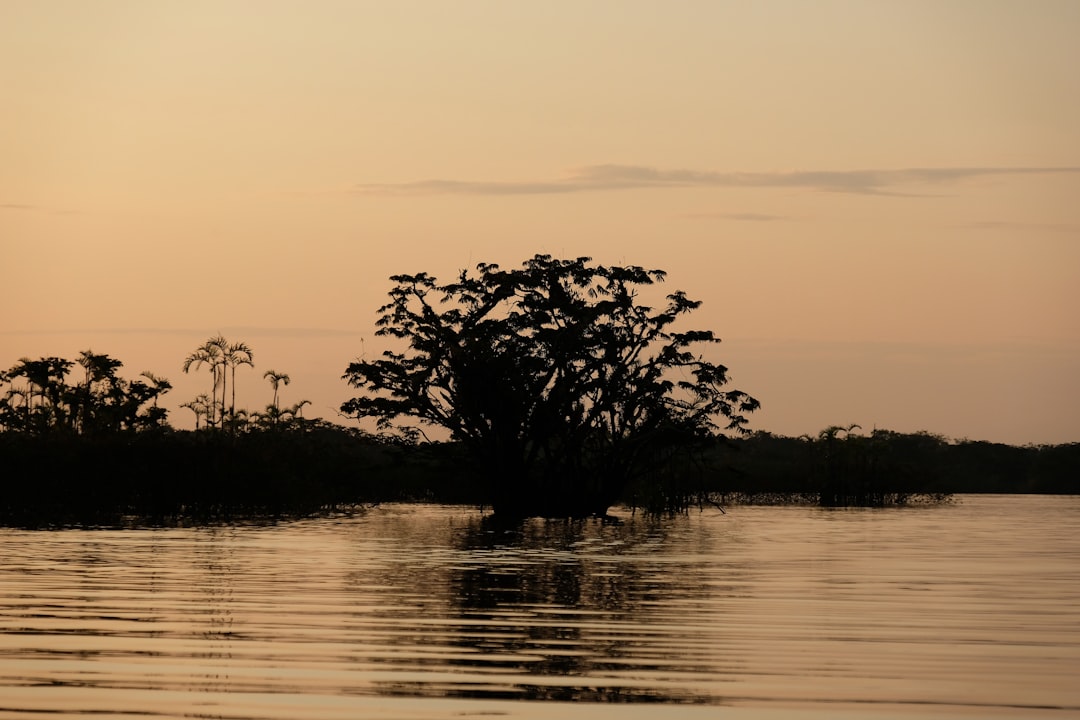
A recent study reported by CBS News has revealed a tragic incident in which hundreds of dolphins were found dead in an Amazon lake. The water temperature in the lake was recorded to be hotter than a jacuzzi, underscoring the severe effects of planetary warming on aquatic life.
Key facts
- The study was reported by CBS News and highlights the death of hundreds of dolphins in the Amazon.
- The water temperature in the lake was described as being hotter than a jacuzzi.
- The lead author of the study remarked, "You couldn't put your finger in the water."
- The incident underscores the impacts of climate change on aquatic ecosystems.
Background & context
The Amazon rainforest, often referred to as the "lungs of the planet," plays a crucial role in global climate regulation. It is home to a diverse range of species, including the Amazon river dolphin, which is known for its unique pink color. This region is a vital carbon sink, absorbing large amounts of carbon dioxide and helping to mitigate global warming. However, climate change has been increasingly affecting the Amazon, leading to higher temperatures, altered rainfall patterns, and more frequent extreme weather events. These changes threaten the delicate balance of its ecosystems, which are already under pressure from deforestation and human activity. The Amazon river dolphin, or boto, is an indicator species, meaning its health reflects the overall condition of its environment. The recent mass mortality event is a stark indicator of the stress that rising temperatures and changing water conditions can place on aquatic life. As water temperatures rise, oxygen levels decrease, creating inhospitable conditions for many aquatic species. This incident highlights the urgent need for comprehensive strategies to address the impacts of climate change on biodiversity and ecosystem services.
Why it matters (for US readers)
For US readers, this incident serves as a stark reminder of the global reach of climate change and its potential to disrupt ecosystems far beyond national borders. The health of the Amazon is intrinsically linked to global environmental stability. The Amazon's role in regulating the Earth's climate means that disturbances there can have cascading effects worldwide, influencing weather patterns and contributing to climate phenomena such as El Niño. Events like these highlight the urgent need for international cooperation in addressing climate change. The death of these dolphins is not just a local tragedy but a signal of broader environmental challenges that could have far-reaching consequences. For the US, which is a significant player in global environmental policy, this underscores the importance of participating in international climate agreements and supporting conservation efforts worldwide.
Stakeholders & viewpoints
- Environmental Scientists: Likely to emphasize the need for more research and action to mitigate the effects of climate change on vulnerable ecosystems. They may call for increased funding for climate research and the development of adaptive management strategies to protect biodiversity.
- Conservationists: May use this incident to advocate for stronger protections for endangered species and their habitats. They are likely to push for policies that reduce habitat destruction and promote sustainable practices in regions like the Amazon.
- Policy Makers: Could be prompted to consider more stringent environmental policies and international agreements to combat climate change. This incident may influence discussions on climate policy, emphasizing the need for comprehensive approaches that include both mitigation and adaptation strategies.
- Local Communities: Those living in and around the Amazon may face direct impacts from such environmental changes, affecting their livelihoods and cultural practices. Their involvement in conservation efforts is crucial for sustainable solutions.
Timeline & what to watch next
- Immediate aftermath: Further studies may be conducted to understand the full impact of the temperature rise on the local ecosystem. Researchers will likely investigate the broader ecological implications and potential recovery strategies.
- Policy response: Watch for any policy changes or initiatives aimed at addressing climate change and protecting aquatic life. This could include international summits or new legislation focused on environmental protection and climate resilience.
- Long-term monitoring: Continued monitoring of the Amazon's aquatic ecosystems to assess ongoing impacts and recovery efforts. This will be crucial for understanding the long-term effects of climate change and informing future conservation strategies.
- Global Discussions: The incident may influence global discussions on climate change, particularly in forums like the United Nations Climate Change Conferences, where countries negotiate commitments to reduce greenhouse gas emissions.
Sources
Up Next
