Justices doubt Trump's power in tariff case
What happened
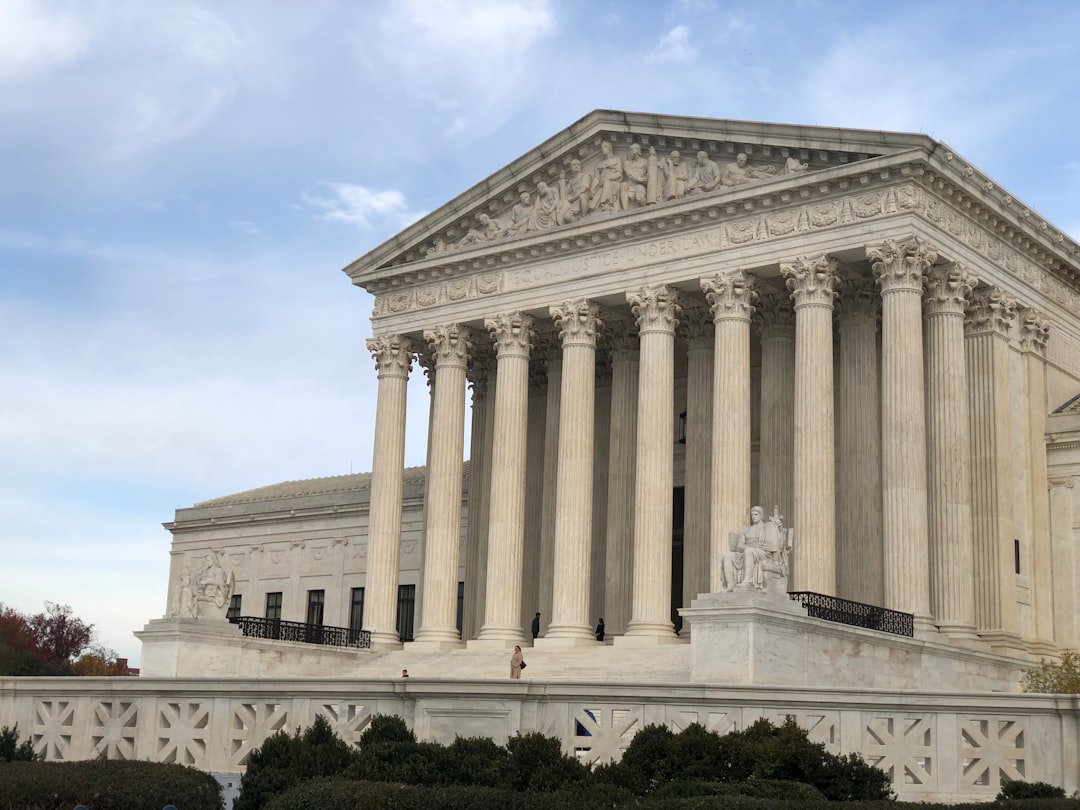
The Supreme Court recently heard a case concerning tariffs imposed during the Trump administration. The case is significant as it questions the extent of the president's power in setting tariffs, with key justices expressing skepticism about the breadth of this authority.
Key facts
- The case involves tariffs that were implemented during Donald Trump's presidency.
- The Supreme Court is assessing the scope of presidential power in this context.
- Key justices have shown skepticism regarding the president's authority in imposing these tariffs.
- The case has been described as having "staggering importance."
Background & context
Tariffs are taxes imposed on imported goods and are often used by governments to protect domestic industries or to exert economic pressure on other countries. Historically, tariffs have played a significant role in shaping international trade policies and economic relationships. During his presidency, Donald Trump frequently used tariffs as a tool in trade negotiations, particularly with China, aiming to address trade imbalances and protect American industries. This approach was part of a broader strategy to renegotiate trade deals and assert US economic interests on the global stage. The use of tariffs by a president can raise questions about the balance of power between the executive branch and Congress. The US Constitution grants Congress the authority to regulate commerce with foreign nations, which includes the power to impose tariffs. However, over time, Congress has delegated some of this authority to the president, allowing for more flexible and rapid responses to international trade issues. This delegation, often through legislation like the Trade Expansion Act of 1962, has led to debates about the limits of executive power and the need for checks and balances.
Why it matters
For US readers, this case is crucial as it addresses the balance of power between the presidency and Congress. The outcome could have significant implications for how future presidents might use tariffs and other trade measures. It also touches on broader themes of executive power and its limits, which are central to the functioning of the US government. A ruling that curtails presidential authority could lead to a reevaluation of how trade policies are formulated and implemented, potentially requiring more direct congressional involvement. The decision could also impact the US's ability to respond swiftly to international trade disputes and economic challenges. If the Court limits presidential power, it may slow down the process of imposing tariffs, affecting the US's leverage in negotiations. Conversely, affirming broad presidential authority could lead to more unilateral trade actions, influencing global economic dynamics.
Stakeholders & viewpoints
- The Supreme Court: As the judicial branch, it is tasked with interpreting the Constitution and assessing the legality of the president's actions. The Court's decision will reflect its interpretation of the separation of powers and the appropriate scope of executive authority.
- The Executive Branch: The outcome could affect how future administrations approach trade policy and executive authority. A ruling that limits presidential power might require the executive branch to seek more congressional approval for trade actions, altering the dynamics of policy-making.
- Congress: The case may influence congressional powers over trade and commerce. A decision reinforcing congressional authority could lead to increased legislative involvement in trade policy, potentially resulting in more comprehensive and deliberative processes.
- US Businesses and Consumers: Tariffs can impact prices and the availability of goods, affecting both businesses and consumers. Companies reliant on imported materials might face higher costs, while consumers could see price increases on everyday products. The ruling could shape the economic environment in which businesses operate, influencing investment and growth strategies.
Timeline & what to watch next
- The Supreme Court has heard the case, but a decision has not yet been announced. The timeline for a ruling is uncertain, but it is expected to be closely watched by policymakers, businesses, and legal experts.
- Observers are watching for the Court's ruling, which could set a precedent for presidential powers. The decision will likely influence future trade policy and executive actions, potentially prompting legislative changes or new executive strategies.
- The ruling could also have international implications, affecting how other countries perceive and respond to US trade policies. A decision that limits presidential authority might encourage more multilateral approaches to trade disputes, while affirming broad powers could lead to more assertive US actions on the global stage.
Sources
Up Next
