The Art of Hygge: Creating Comfort and Joy at Home (2025)
Introduction
Hygge, a Danish word pronounced "hoo-gah," encapsulates a feeling of cozy contentment and well-being through enjoying the simple things in life. This concept has gained international attention as people seek ways to create warmth and comfort in their homes. While hygge is deeply rooted in Danish culture, its principles can be adapted to any lifestyle, offering a pathway to enhanced comfort and joy at home.
Key Points
- Origin and Meaning: Hygge originates from Denmark and is a core part of Danish culture, emphasizing coziness, warmth, and togetherness.
- Psychological Impact: Practicing hygge can contribute to mental well-being by reducing stress and promoting relaxation.
- Practical Application: Hygge is not just about aesthetics; it involves creating an environment that fosters comfort and joy.
- Seasonal Adaptation: While often associated with winter, hygge can be adapted to any season by focusing on the sensory experiences of each time of year.
Framework
To effectively incorporate hygge into your home, consider the following framework: 1. Atmosphere: Focus on lighting, textures, and colors that create a warm and inviting environment. Use soft lighting, such as candles or lamps with warm bulbs, to enhance the ambiance. 2. Comfort: Invest in soft furnishings like blankets, pillows, and rugs that invite relaxation. Choose materials that are pleasant to touch and visually appealing. 3. Togetherness: Create spaces that encourage social interaction, such as a cozy seating area for family and friends to gather. 4. Presence: Practice mindfulness by being present in the moment. Engage in activities that promote relaxation, such as reading, listening to music, or enjoying a warm beverage. 5. Simplicity: Embrace a minimalist approach by decluttering and focusing on items that bring joy and serve a purpose.
Checklist
- Use warm, soft lighting to create a cozy atmosphere.
- Incorporate natural elements like wood and plants.
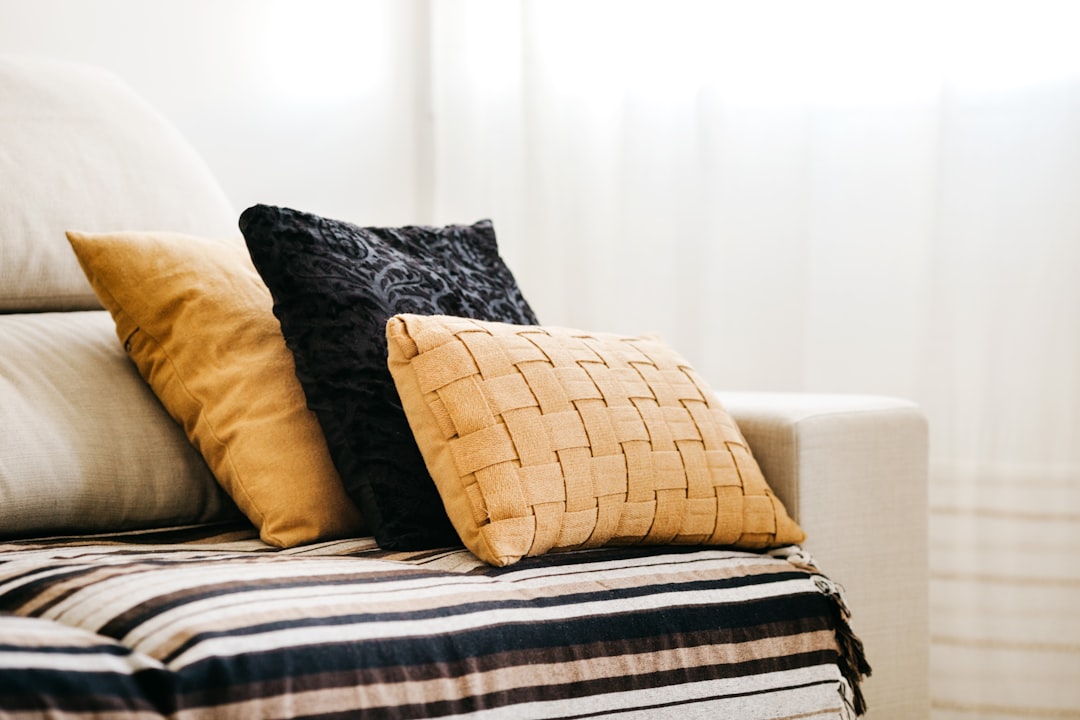
- Add soft textiles such as throws and cushions.
- Designate a space for relaxation and mindfulness.
- Include personal touches like family photos or cherished mementos.
- Keep a stock of comforting foods and beverages.
- Create a no-tech zone to encourage unplugged time.
- Arrange furniture to promote conversation and connection.
- Use seasonal decorations to enhance the mood.
- Prioritize cleanliness and organization to reduce stress.
US Examples & Data
In the United States, the concept of hygge has been embraced in various forms, from home design to lifestyle choices. According to a survey by the National Association of Home Builders, open floor plans and cozy nooks are increasingly popular in American homes, reflecting a desire for spaces that promote togetherness and relaxation. Additionally, the American Psychological Association highlights the importance of creating a home environment that supports mental health, aligning with hygge principles. Retail trends also indicate a growing interest in hygge-inspired products. The U.S. home decor market has seen an increase in sales of items like candles, blankets, and other cozy accessories, suggesting a shift towards creating more comforting living spaces.
Why It Matters
Incorporating hygge into daily life can have significant benefits for mental and emotional well-being. By focusing on creating a comfortable and joyful home environment, individuals can reduce stress and enhance their quality of life. Hygge encourages mindfulness and presence, which are crucial for maintaining mental health in today's fast-paced world. Moreover, fostering a sense of togetherness at home can strengthen relationships and build a supportive community.
Sources
- American Psychological Association
- National Association of Home Builders
- Pew Research Center
- U.S. Census Bureau
Related Topics
- Minimalism in Home Design
- Mindfulness and Mental Health
- Seasonal Home Decor Trends
- The Impact of Lighting on Mood
Up Next
