Wearable Tech: Improving Fitness and Health Tracking
Introduction
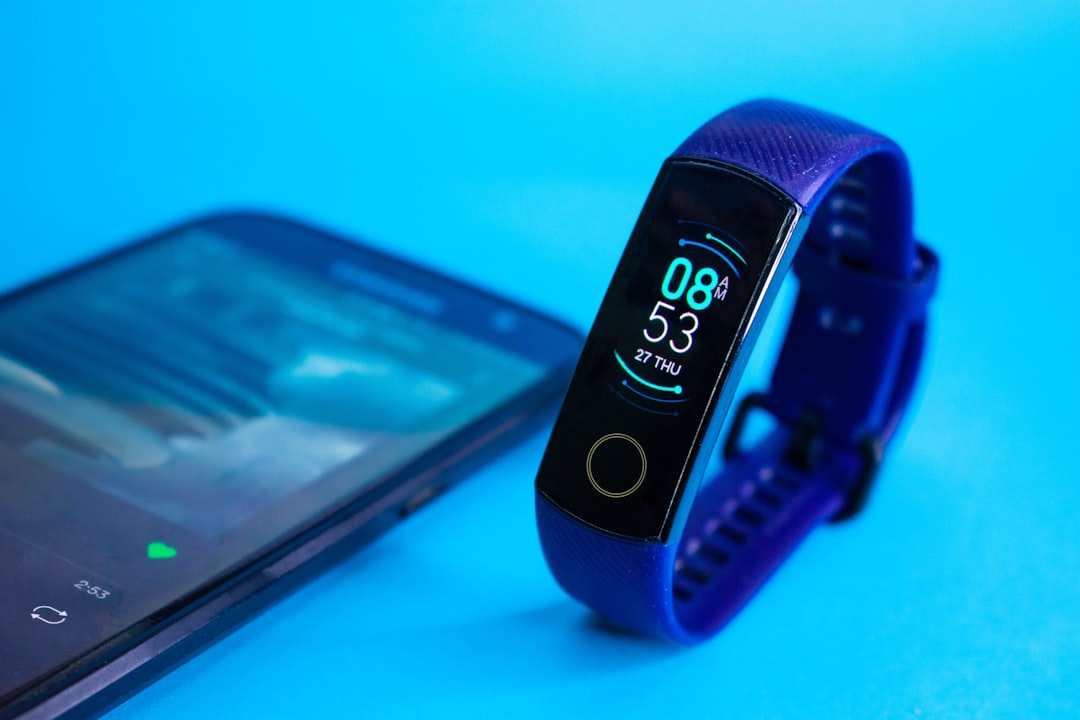
Wearable technology has become an integral part of modern fitness and health management. These devices, ranging from smartwatches to fitness trackers, offer users the ability to monitor various aspects of their health in real-time. By providing insights into physical activity, heart rate, sleep patterns, and more, wearable tech empowers individuals to make informed decisions about their health and wellness.
Key Points
- Wearable devices track a variety of health metrics, including steps, heart rate, and sleep quality.
- Integration with smartphones and apps enhances data analysis and user engagement.
- Wearable tech supports personalized health goals and fitness plans.
- Continuous monitoring can lead to early detection of health issues.
- Data privacy and security remain critical concerns for users.
Main Sections
The Evolution of Wearable Technology
Wearable technology has evolved significantly since the introduction of the first pedometers. Early devices were primarily focused on counting steps, but today's wearables offer a comprehensive suite of features. Modern devices can monitor heart rate variability, track sleep stages, and even measure blood oxygen levels. This evolution has been driven by advancements in sensor technology, miniaturization, and connectivity.
Features and Functions of Modern Wearables
Fitness Tracking
Most wearable devices are equipped with accelerometers and gyroscopes to accurately track physical activity. Users can set daily step goals, monitor calories burned, and track specific workouts. Advanced models also offer GPS functionality for tracking outdoor activities like running and cycling.
Health Monitoring
Wearables now include sensors that monitor heart rate, detect irregular heartbeats, and measure blood oxygen saturation. Some devices can even perform electrocardiograms (ECGs) and alert users to potential health issues.
Sleep Analysis
Sleep tracking is a popular feature in many wearables. Devices can monitor sleep duration and quality by analyzing movement and heart rate during the night. This information helps users understand their sleep patterns and make adjustments to improve rest.
Integration with Mobile Apps
Wearable devices are often paired with mobile apps that provide detailed analytics and insights. These apps allow users to track long-term trends, set personalized goals, and receive tailored recommendations. Integration with third-party apps and services further enhances the functionality of wearables, enabling users to sync data with nutrition apps, social media, and more.
The Role of Wearables in Personalized Health
Wearables offer a level of personalization that was previously unattainable. By continuously collecting data, these devices can provide insights tailored to an individual's unique health profile. Personalized feedback can motivate users to maintain healthy habits and achieve fitness goals. Additionally, healthcare providers can use data from wearables to make more informed decisions about patient care.
Challenges and Considerations
Data Privacy and Security
As wearables collect sensitive health data, privacy and security are paramount concerns. Manufacturers must ensure that data is encrypted and stored securely. Users should be aware of the privacy policies of their devices and apps to understand how their data is used and shared.
Accuracy and Reliability
While wearable technology has improved, accuracy can still vary between devices and metrics. Users should consider the reliability of the data and use it as a guide rather than an absolute measure. Regular updates and calibrations can help improve device accuracy.
Why It Matters
Wearable technology plays a crucial role in promoting health and wellness by providing users with actionable insights into their daily habits. By enabling continuous health monitoring, wearables can help detect potential health issues early, leading to timely interventions. As technology continues to advance, wearables will likely become even more integral to personal health management and preventive care.
FAQ
What types of health metrics can wearables track?
Wearables can track a variety of health metrics, including steps, heart rate, sleep quality, calories burned, and in some cases, blood oxygen levels and ECG readings.
Are wearable devices accurate?
While wearables have improved in accuracy, there can still be variations between devices and metrics. It's important to use the data as a guide and consider regular updates and calibrations for better accuracy.
How do wearables protect user data?
Manufacturers typically use encryption and secure storage to protect user data. Users should review privacy policies to understand data usage and sharing practices.
Sources
- National Institutes of Health (NIH) - Wearable Technology
- Centers for Disease Control and Prevention (CDC) - Physical Activity Basics
- Harvard Health Publishing - Wearable Technology and Health
- Mayo Clinic - Fitness Trackers: How to Choose
- American Heart Association - Monitoring Your Heart Rate
Related Topics
- Fitness trackers
- Smartwatches
- Health data privacy
- Mobile health apps
- Personalized health monitoring
Up Next
