The Impact of Microplastics on US Marine Ecosystems
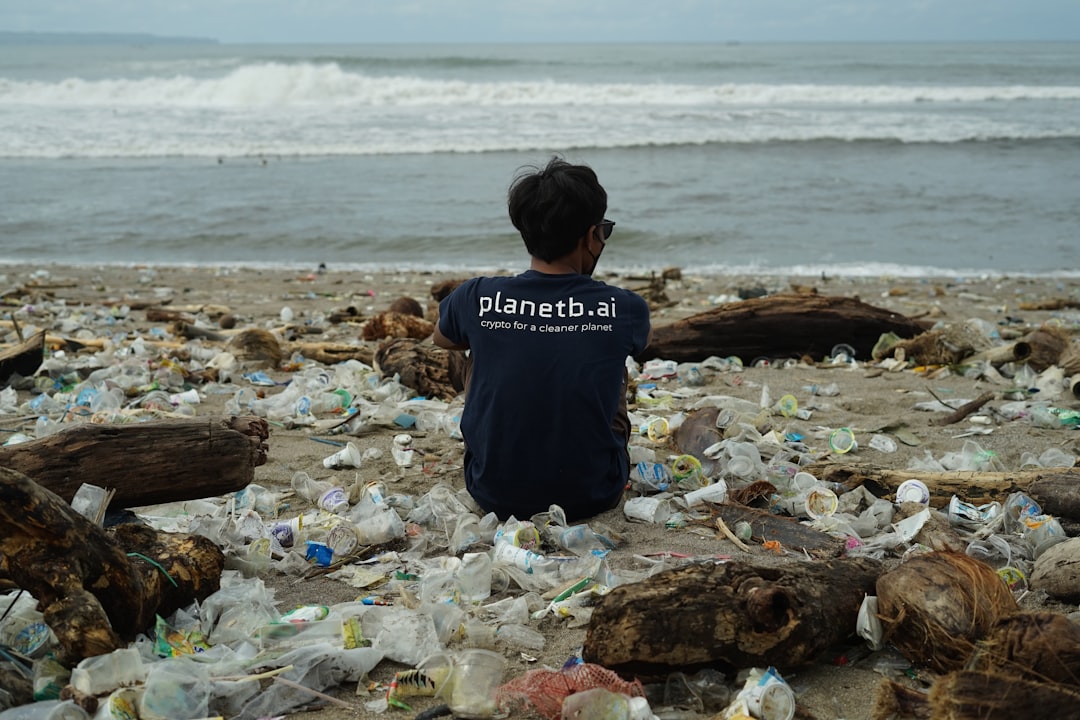
Introduction
Microplastics, tiny plastic particles less than five millimeters in size, have become a pervasive pollutant in marine environments worldwide. In the United States, these particles are found in oceans, rivers, and lakes, posing a threat to marine life and ecosystems. Understanding the impact of microplastics on US marine ecosystems is crucial for developing effective mitigation strategies.
Key Points
- Microplastics originate from various sources, including consumer products and industrial waste.
- They are ingested by marine organisms, leading to physical and chemical harm.
- Microplastics can transport pollutants, affecting water quality and marine biodiversity.
- The presence of microplastics in seafood raises concerns about human health.
- Efforts to reduce microplastic pollution include policy changes and public awareness campaigns.
Main Sections
Sources of Microplastics
Microplastics enter marine ecosystems from a variety of sources. Primary microplastics are manufactured small, such as microbeads in personal care products. Secondary microplastics result from the breakdown of larger plastic debris due to environmental factors like sunlight and wave action. Common sources include: - Consumer Products: Items like synthetic clothing, cosmetics, and cleaning products release microplastics during use and disposal. - Industrial Waste: Manufacturing processes and improper waste management contribute to microplastic pollution. - Urban Runoff: Stormwater carries microplastics from urban areas into waterways.
Impact on Marine Life
Microplastics pose several risks to marine organisms: - Ingestion: Marine animals, from plankton to whales, ingest microplastics, mistaking them for food. This can lead to physical blockages, reduced feeding, and energy depletion. - Chemical Exposure: Microplastics can absorb and concentrate harmful chemicals, which are then ingested by marine life, leading to toxic effects. - Habitat Disruption: Accumulation of microplastics in habitats like coral reefs and seagrass beds can alter physical environments and affect species that rely on these habitats.
Human Health Concerns
The presence of microplastics in seafood raises potential health concerns for humans: - Food Chain Contamination: Microplastics consumed by marine organisms can move up the food chain, eventually reaching humans. - Chemical Exposure: The chemicals associated with microplastics may pose health risks, including endocrine disruption and carcinogenic effects.
Mitigation Strategies
Efforts to address microplastic pollution involve multiple approaches: - Policy and Regulation: Bans on microbeads and single-use plastics, along with improved waste management practices, aim to reduce microplastic input into the environment. - Public Awareness: Educating the public about the sources and impacts of microplastics can lead to behavioral changes and support for policy measures. - Research and Innovation: Ongoing research seeks to develop biodegradable alternatives to conventional plastics and improve recycling technologies.
Why It Matters
The impact of microplastics on US marine ecosystems is a pressing environmental issue with far-reaching implications. Marine biodiversity is at risk, with potential cascading effects on ecosystem services that humans rely on, such as fisheries and tourism. Addressing microplastic pollution is essential for preserving marine health and ensuring the safety of seafood, ultimately protecting human health and livelihoods.
FAQ
What are microplastics?
Microplastics are plastic particles less than five millimeters in size, originating from various sources, including consumer products and industrial waste.
How do microplastics affect marine life?
Microplastics can cause physical harm and chemical exposure to marine organisms, leading to ingestion issues, toxic effects, and habitat disruption.
What can individuals do to reduce microplastic pollution?
Individuals can reduce microplastic pollution by minimizing plastic use, supporting policies that limit plastic production, and participating in clean-up efforts.
Sources
- National Oceanic and Atmospheric Administration (NOAA) - Marine Debris Program
- United States Environmental Protection Agency (EPA) - Microplastics
- National Institute of Environmental Health Sciences (NIEHS) - Microplastics
- Smithsonian Institution - Ocean Portal
- University of California, Davis - Microplastics Research
Related Topics
- Marine pollution
- Plastic waste management
- Ocean conservation
- Environmental policy
- Sustainable seafood
Up Next
