Comet 3I/ATLAS Transformed by Space Radiation
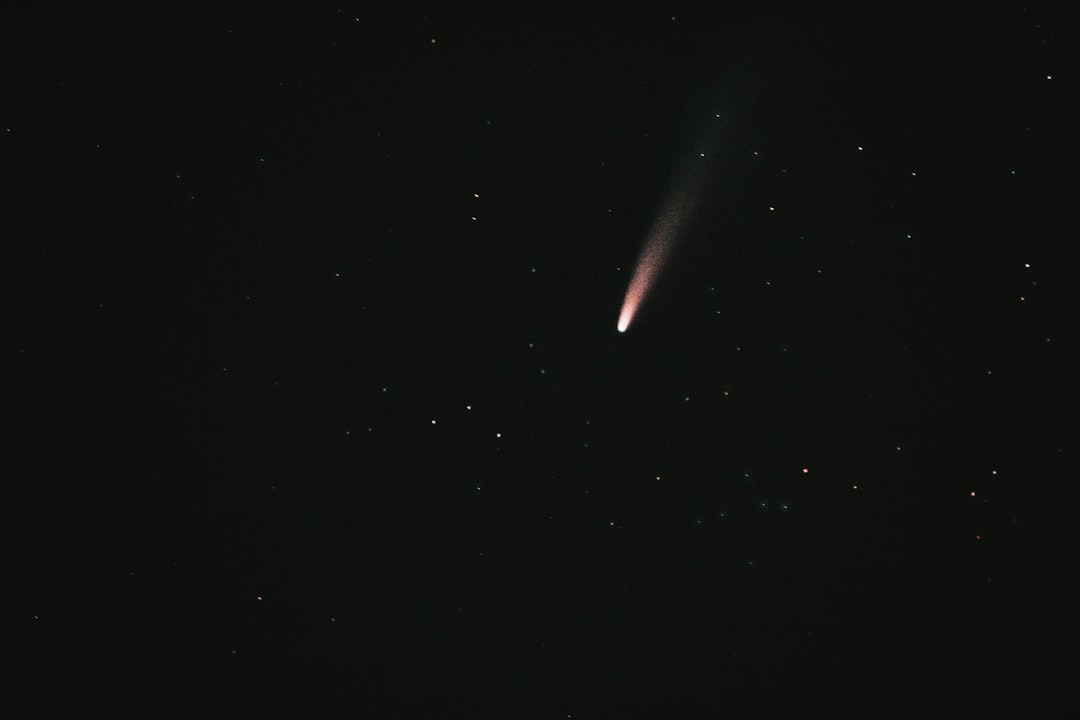
What happened
The interstellar comet 3I/ATLAS has undergone significant transformation due to billions of years of exposure to space radiation. Observations and simulations conducted using the James Webb Space Telescope have shown that the comet now possesses a thick irradiated crust, which no longer resembles the characteristics of its original star system.
Key facts
- Comet 3I/ATLAS is an interstellar comet, meaning it originated outside our solar system.
- The James Webb Space Telescope has been used to observe the comet's transformation.
- The comet's crust has been significantly altered by prolonged exposure to space radiation.
- The current state of the comet's crust does not resemble its home star system.
Background & context
Comets are icy bodies that originate from various regions in space, including within and outside our solar system. Interstellar comets, like 3I/ATLAS, are particularly intriguing because they provide insights into the conditions and materials present in other star systems. The James Webb Space Telescope, a powerful tool for space observation, enables scientists to study such distant objects in unprecedented detail.
Why it matters (for US readers)
Understanding the transformation of interstellar comets like 3I/ATLAS can offer valuable information about the processes and environments in other star systems. This knowledge can enhance our understanding of the universe and the potential for life beyond our solar system. Additionally, advancements in space observation technology, such as those demonstrated by the James Webb Space Telescope, highlight the importance of continued investment in space exploration.
What to watch next
- Further studies on the composition and structure of interstellar comets.
- Additional findings from the James Webb Space Telescope regarding other celestial bodies.
- Potential implications for our understanding of star system formation and evolution.
Sources
Up Next
