Everyday Cognitive Biases and How to Counter Them
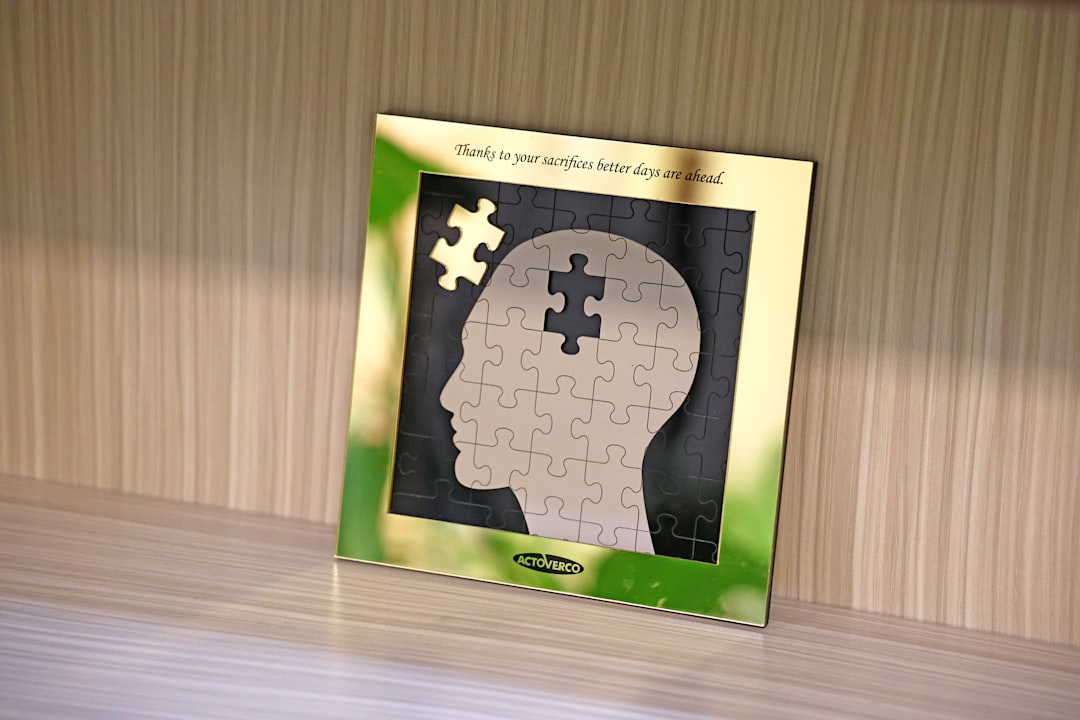
Understand common cognitive biases and learn strategies to mitigate their impact on decision-making.
Key Points
- Cognitive biases are systematic patterns of deviation from norm or rationality in judgment.
- Common biases include confirmation bias, anchoring bias, and availability heuristic.
- Awareness and deliberate strategies can help counteract these biases.
- Cognitive biases affect everyday decisions, from personal choices to professional judgments.
Why it matters
Cognitive biases can significantly influence our decisions and perceptions, often leading to errors in judgment. By understanding and countering these biases, individuals can make more rational and informed decisions, improving outcomes in both personal and professional contexts.
Understanding Cognitive Biases
Cognitive biases are mental shortcuts that the brain uses to simplify information processing. While these shortcuts can be helpful, they often lead to errors in judgment and decision-making. Here are some common cognitive biases: 1. Confirmation Bias: This is the tendency to search for, interpret, and remember information that confirms one's preexisting beliefs. It can lead to overconfidence in personal beliefs and resistance to new information. 2. Anchoring Bias: This occurs when individuals rely too heavily on the first piece of information they receive (the "anchor") when making decisions. This can skew perception and lead to poor decision-making. 3. Availability Heuristic: This bias involves overestimating the importance of information that is readily available or recent, rather than all relevant information. It can lead to misjudgments about the frequency or likelihood of events.
Strategies to Counter Cognitive Biases
- Seek Diverse Perspectives: Actively seek out information and opinions that challenge your existing beliefs. This can help counter confirmation bias by exposing you to a broader range of viewpoints.
- Delay Decision-Making: Take time to gather and consider all relevant information before making a decision. This can help mitigate anchoring bias by allowing you to evaluate multiple data points.
- Use Statistical Thinking: Rely on data and statistical evidence rather than anecdotal or recent information. This approach can help counter the availability heuristic by focusing on objective facts.
- Reflect on Past Decisions: Regularly review past decisions to identify patterns of bias. This reflection can help you recognize and adjust for biases in future decision-making.
- Educate Yourself: Learn about different cognitive biases and how they manifest. Awareness is a crucial first step in mitigating their effects.
Conclusion
Cognitive biases are a natural part of human thinking, but they can lead to flawed decision-making. By understanding these biases and implementing strategies to counteract them, individuals can make more rational and informed choices. This awareness and adjustment can lead to better outcomes in various aspects of life, from personal relationships to professional environments.
Sources
- American Psychological Association: Cognitive Biases
- National Institutes of Health: Understanding Cognitive Biases
Up Next
